About Hair Science
How many hair do I have ?
• You are born with 1 million hair all over the body
• About 100,000 are located at the scalp
• The total number will decrease with age.
Will I have any new hair formed after birth?
No, all the hair follicles are formed by 28th week of gestation. Our bodies will not form any new hair follicle after birth.
How many types of human hair ?
There are 3 types of human hair according to the diameter of hair shaft:
Lanugo or baby hair - They are shed usually by the 4th month after birth
Vellus hair > - These are the body hair. They have no pigmentation and with a diameter of less than 0.02mm. You cannot see them except at a very very close distance.
Terminal hair - These are the pigmented scalp hair, pubic hair, axillary hair, eyelash, eyebrow, moustache and beard. The diameter is usually above 0.06mm.
Would the hair root remains during resting phase only to re-grow later ?
That's wrong! Lowest part (papilla) actually retracts upward. Only upper 2/3 remains and is called a "Club Hair".
About Hair Loss
Why do men lose hair ?
95% of balding men suffers "Androgenetic Alopecia". Hair loss is precipitated or accelerated by:
• Genes - you can inherit the hair loss gene from one or both parents;
• Hormones - that's why hair loss occurs after puberty, and not in those castrated;
• Age - you lose more hair after each birthday;
• Smoking
Obviously the onset, extent, and rate of hair loss in men vary from person to person. It is a common belief that hair loss is not from wearing hat, poor circulation, and clogged pores.
Why do women lose hair ?
65-75% of women with thinning hair suffers "Androgenetic Alopecia". Hair loss is accelerated by:
• Genes - you can inherit the hair loss gene from one or both parents
• Hormones - that's why hair loss occurs excessively after menopause
• Age - you lose more hair after each birthday
• Smoking
The remaining 35% can be from many different causes such as child birth, iron deficiency, thyroid diseases, stress, skin diseases... As the situation is more complicated than men, blood tests are usually required to establish the causes.
Would stopping Finasteride result in sudden rapid hair loss ?
Hair loss resumes on stopping Finasteride. The loss is gradual and takes many months to be noticed. Eventually you still retain more hair than those not been taking Finasteride.
Would stopping Minoxidil result in a sudden and rapid hair loss ?
Yes! Hair loss is noticed 4-6 months after stopping Minoxidil. Loss can be quite alarming and you end up having the same amount of hair as those not been using it. Do not stop Minoxidl if it has been working for you.
Should men stop Finasteride & Minoxidil when plan to have baby ?
No known harmful effects of either medication on fathering a child when used. The amount of Finasteride in sperm and semen were not significant. Ceasing treatment is not necessary. Use as directed by your physician.
Is Finasteride less effective in Asian then in Caucasian ?
No difference have been noted amongst ethnic groups.
Is Finasteride less effective to grow hair in front than the top ?
• Yes, it is less effective in the frontal hairline and temple areas
• Finasteride is most effective in stablizing hair loss or even growing new hair in the crown / vertex area.
Is baldness result of Dandruff & sebum occluding the hair canals ?
According to Dr Inaba (Japan) excessive sebum production and Androgenetic alopecia are both caused by abnormal function of the sebaceous glands. Today most investigators agree that keeping the scalp free of sebum would not prevent hair loss.
Is Male Pattern baldness a result of tight scalp muscles, mental stress, too frequent or infrequent shampooing, poor hygiene, and poor circulation ?
There is no scientific proof that MPB is related to tight scalp muscles, mental stress, too frequent or infrequent shampooing, or local skin conditions.
MPB is not caused by poor circulation to the bald scalp. The decrease of blood flow to the bald scalp is indeed a result of reduced metabolic needs of the now miniaturized hair follicles. This is the “result” rather than the “cause”.
About Hair Transplant
Does hair transplants really work ?
Yes, and for sure. Hair are transferred from one part of the scalp (donor site) into another (recipient site). As it's your own hair follicle there is no rejection. The migrated hair maintains their original color, curl, texture and growth after transplant. This is the important concept of "Donor Dominance". Hair transplant has been used as a surgical hair loss treatment for over 70 years. Over 400,000 cases were performed worldwide in 2017 .
Can hair be transplanted from one individual to another ?
Yes! Dr Orentreich in 1972 reported that the transplanted hair can survive for at least one year. However to prevent graft rejection steroid must be injected into the grafts every 30 days. Due to the side-effects of steroid on long term use, this is possible but not practical.
Is hair transplant a branch of Dermatology or Plastic Surgery ?
No! 10 to 20 years ago hair transplant was rather primitive. Physicians from many backgrounds (Plastic Surgerons, Dermatologists, General Surgeons, Family Practitioners, ENT Surgeons, etc) could perform hair transplant after visiting a colleague's office. It is now a new speciality with own Societies and Medical Boards. Even dermatologists or Plastic Surgeons need further training before offering such service.
What should I expect after hair transplant ?
Take at least two days off work after surgery. Wear the supplied headband for 2-3 days to avoid swelling around the eyes. Putting on a cap or bandana is up to you. We wash your hair the next day and then you can DIY at home. Frequent hair wash should clear most scabs in a week. Donor site sutures are easily covered by long hair, and removed after 5 days. Some shedding is normal to make way for the new growth. Do not expect to see any change until after 4-6 months.
Do I feel pain during hair transplant procedure ?
Our special protocol uses twilight local anesthesia and conscious sedation. We first give you some sedating pills and then inject local anesthetic using the smallest needle. Most patients sleep through the entire procedure without any discomfort. On discharge some pain-killer and sleeping pills will be given to assure a good night sleep. Any discomfort should subside after 24 hours.
How would my head look like after the procedure ?
Small scabs are common after procedure. They can be camouflaged by existing hair and cleared after a week by frequent hair wash. They are too small to draw any attention anyway. Some shedding along the donor incision is common in the first 3-4 weeks. The hair usually regrows completely but need some hair to cover. For this reason do not cut hair for the first month.
When can I return to work after hair transplant ?
That will depend on whether you sweat a lot at work; or mind people knowing your hair transplant. . The wound heals well in a few days. You can return even on day 2 to office work; and labouring job in a week. If you cannot wear a cap or hat to work and don't want your co-workers to know, take a week off to let the scabs fall off. Dr Ng will discuss this with you during the consultation.
How many sessions do I need ?
This will be discussed during the doctor consultation.
With dense packing and ultra-refined FUT, you should look good even after one session. Further procedures may be needed to:
. cover a larger area;. add on the density;. replace future loss of existing hair;. touch up.
Who Benefits From Hair Restoration Surgery ?
Anyone who has experienced permanent hair loss may be a candidate for hair restoration surgery, including: . Men with male pattern baldness . Women born with high foreheads. Women with thinning hair - female pattern thinning. People with areas of scarring from injuries or hair loss after face lift procedures. People who want to thicken or restore eyebrows, eyelashes, and beards.
What Anesthetic is Used In Hair Transplant ?
Hair transplant procedures generally take from 6-8 hours and are performed using local or twilight anesthesia on an out-patient basis. Patients are often awake but feel relaxed as they are given a mild sedative. There is usually little or no pain during the surgical procedure. Nowadays no bandage is necessary on the scalp at the end of the procedure but a small head band will secure the donor to prevent swelling.
When to Consider Hair Transplant ?
Patients may have hair transplant at any age. It is often better to start when they are not completely bald so that existing hair can be used to help camouflage the effect of the procedure. However, because hair loss tends to be both gradual and progressive, it is often unwise to start surgical treatment in a patient who is very young. Medical treatments such as Finasteride and Minoxidil may be offered to men with mild to moderate hair loss to help preserve thinning hair in the crown.
Should Medicine be taken after Hair Transplant ?
Hair transplants can be used to fill-in the front hairline and thicken the front half of the scalp, and medical treatments can be used to maintain hair behind the transplants and to possibly enhance the long-term results of hair transplant. A well trained hair transplant surgeon will work with their patients to design an individualized plan to fulfill their specific needs.
Who are Good Candidate for Hair transplant ?
An ideal candidate is someone with dense hair in the permanent fringe of hair-bearing scalp which is at the side and back part of your head. A patient with light-colored hair and pale skin (as opposed to dark hair and light skin) may appear to have a denser look. Patients with very wavy curly hair may require fewer sessions than someone with straight hair.
Expectation must be realistic. While hair transplants look very natural, the end result may not achieve the density or total coverage of that of a teenager. Results can also vary from patient to patient.
About Dr Bertram
What's so special about ISHRS Fellowship Accreditation ?
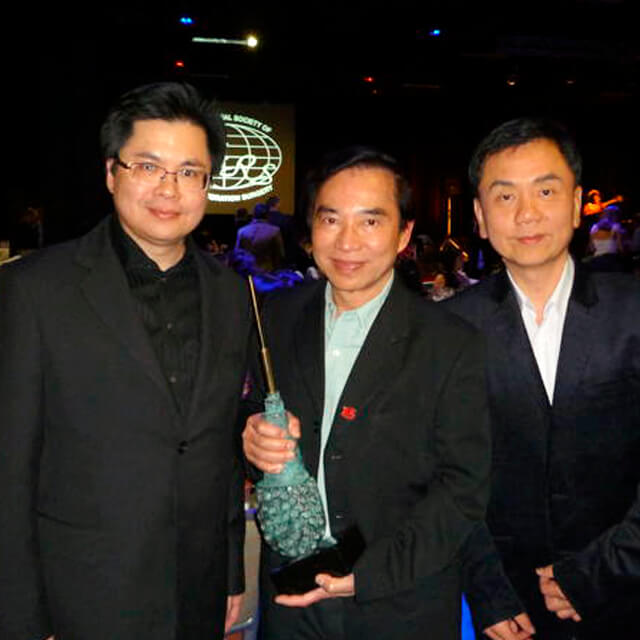
"Fellow" is a symbol of the highest standard. Our doctor is the only ISHRS Fellow in East Asia and South Pacific.
10 to 20 years ago physicians from many backgrounds simply picked up the skill by visiting and observing their colleagues. Such training can rarely reach the required standard today. Hair transplant is a new medical speciality. Doctors must be trained before they are competent to perform the latest follicular unit transplant.
The ISHRS (International Society Of Hair Restoration Surgery) is a non-profit medical organization that provides such training. To be accrediated as Fellow the doctor must fulfil 4 requirements:
• One year full-time training in an appointed center
• Apprenticeship with an authorized hair surgeon
• Actively involved in meeting, research and publication
• Competency assessed by ISHRS Committee .
Does Dr Bertram provides safe Hair Transplant Procedure ?
Hair transplant is a very safe, relatively minor surgical procedure under good hands. We provide patients with a mild analgesic to relieve any discomfort felt the night following the procedure.
Complications are rare. Minor inflammation can occur around a newly transplanted hair follicle, similar to pimple. Scars that occur in the donor scalp as a result of the removal of donor skin are usually narrow and can be easily hidden by the surrounding hair. It may be wide in certain patients with very loose skin. The graft sites in the recipient frontal area heal with almost no visible scarring and are covered by the transplanted hair.
In our clinic no patients develop swelling around the eyes following surgery. Small crusts may form on each graft but you can comb over this area to cover these scabs. These crusts will flake-off by 10-14 days after the surgery.
The transplanted hair seen above the scalp will initially be shed, however the roots will remain dormant for 6-12 weeks, at which time the new hairs will all begin to grow.
Numbness that may occur in the donor or recipient area usually disappears in 2-8 months following surgery.
Should I have hair transplant in a hospital ?
The worse infection we have seen happened in hospital. Hospital cares for all kinds of patient. Facilities and equipment are shared with a real risk of infection by cross contamination. You may have heard of MRSA (Methicillin Resistant Staphylococcus Aureus), a multi-antibiotics resistant hospital acquired wound infection. During hair transplant thousands of tiny holes are created on the scalp. A MRSA infected wound is a nightmare. Our center only perform hair transplant for selected group of healthy patients
With strict protocols your chance of infection is close to zero. Also with local anesthesia you can return home straight after procedure and resume normal daily activities. Hospital admission is therefore unnecessary.
Is Dr Bertram hair transplant procedure expensive ?
We have no intention to match the price in other countries such as India or Mainland China. If you take into consideration doctor qualification and work quality, our package is the best value in Hong Kong. Most agree hair transplant is a good life-long self investment. Transplanted hair lasts a life time. There is no maintenance cost and is much cheaper than hair pieces in a long run. No more wasting of time to attend regular treatment. The question is whether you want to wear the best result on your head. Quality comes with a price.
Can I just ring up your office and find out how many grafts I need ?
In order to recommend a surgical plan the physician must examine the patient properly assessing the followings:
• The extent of hair loss
• The potential for future extensive lass
• The expectation
• Other treatment options
• The optimal hairline design and density coverage
• The hair density of the donor area
• The patient’s scalp laxity
Obviously all these cannot be done just over the phone. However you can send us pictures via whatsapp or wechat for an initial assessment.
Is Price-per-Graft main consideration in choosing a hair transplant center ?
Hair transplant is a service, not a product. Paying for a graft does not guarantee long term good result or even graft survival. To have the best permanent result from hair transplantation, the skill and experience of the doctors must be taken into consideration. Not all doctors are providing the same standard of care. It is best to first do your research, visit the center, and have a proper doctor consultation.
Proceed to hair transplant only if you have confidence in the doctor's works. If you cannot afford it right now, it’s better to do it later. Any unhappy result is usually too difficult to repair. Quality always comes with a Price.
If I can afford the money can I have as many grafts as I like ?
The blood supply of the scalp can only sustain the growth of a certain numbers of newly transplant grafts at one time. If too many grafts are placed very close together, they may not get enough blood supply. Compromising the circulation results in poor growth.
Transplanting too many grafts per session has therefore a risk of sub-optimal growth, especially in smokers. Blood flow is significantly compromised by smoking. The patients are strongly recommended to quit smoking. Otherwise a lesser number of grafts should be planned in any hair transplant session.
If I can afford the money can I have a hair transplant ?
At present doctors are still limited by the patient’s limited supply of donor hair. In some people with extensive hair loss, their donor hair may be too thin or scarce for a good result. In such circumstance any decent doctors may refuse the procedure. A proper medical assessment is therefore essential.
Am I too old to have a hair transplant ?
A patient is never too old as long as he has an adequate supply of donor hair. In fact the chance of having a successful hair transplant and a satisfied patient is higher when a person is older, when his hair loss is more stabilized and predictable. The permanency of the donor area is more obvious, and the patients more realistic in their expectations.