
Anagen Effluvium
Understanding sudden hair loss after cancer treatment and the strict protocols for surgical restoration.

Commonest Cause of Anagen Effluvium
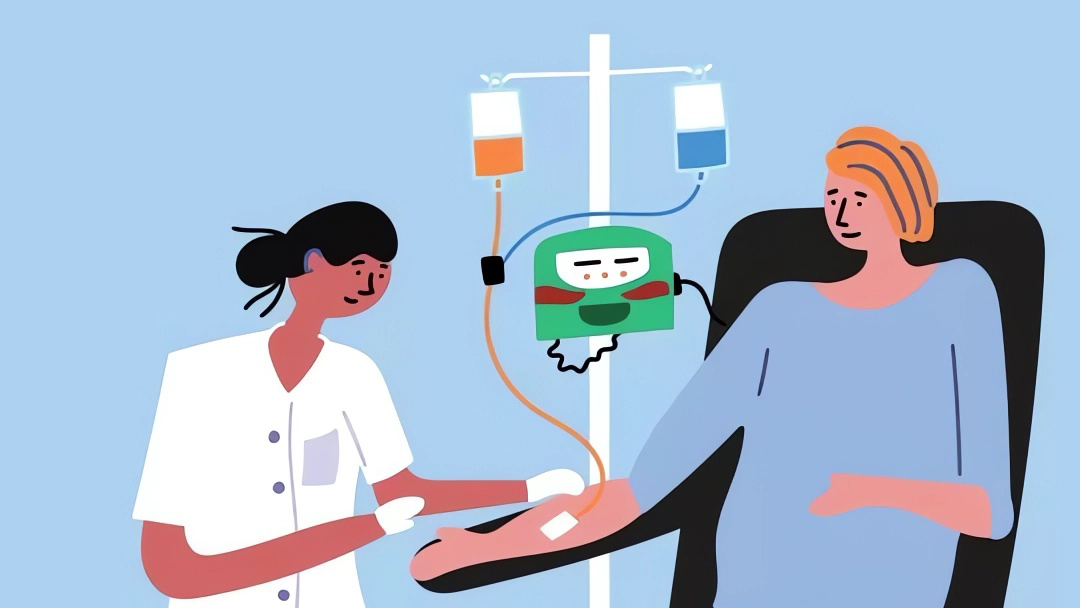
Sudden, dramatic hair loss caused when the active hair growth phase is violently interrupted by medical treatment.
Primary Cause
Chemotherapy and radiation therapy for cancer. These treatments target rapidly dividing cells—unfortunately affecting both cancerous cells and hair follicle matrix cells.
Rapid Onset
Hair falls out in days or weeks, not months. This distinguishes it from Telogen Effluvium (stress-related shedding).
Scope of Loss
Often affects 80–90% of scalp hair, including eyebrows, eyelashes, and body hair.
Usually Temporary
Follicles are typically "stunned," not destroyed. Full regrowth is expected when treatment ends.
Other Causes of Anagen Effluvium
While cancer therapy is the most common cause, other triggers include:
- Heavy metal poisoning (e.g., thallium, arsenic).
- Severe protein or calorie malnutrition.
- Certain toxic medications (e.g., colchicine overdose).
- Acute autoimmune attacks (severe Alopecia Areata).
The Natural Recovery Timeline: Patience is Key
For most patients, the best "treatment" is time. Rushing to surgery is the number one cause of regret.
1. Regrowth Begins (1–3 Months)
Fine, often unpigmented hair starts to emerge after treatment ends.
2. "Chemo Curls" Phase
New hair may grow back with a different texture or color. This is usually temporary.
3. Full Cosmetic Recovery (6–12 Months)
Density and texture typically normalize. We must allow this full cycle to complete before assessing permanent damage.
What to Do While Waiting: Supportive Care
During and immediately after cancer therapy, focus on nurturing your scalp and overall health.
Scalp Care
Use gentle, fragrance-free shampoos. Avoid heat styling, chemical dyes, and tight hairstyles that pull on fragile new growth.
Cold Cap Therapy
Discuss with your oncologist. Scalp cooling during certain chemo regimens can significantly reduce hair loss.
Nutrition
Ensure adequate protein, iron, zinc, and vitamins to support robust regrowth once treatment stops.
Medical Therapies
After oncology clearance, treatments like Low-Level Laser Therapy (LLLT) or topical Minoxidil may support recovery. Always consult your doctors first.
Emotional Support
Wigs, scarves, and counseling can be invaluable. Hair loss is emotionally significant; prioritize your mental well-being.
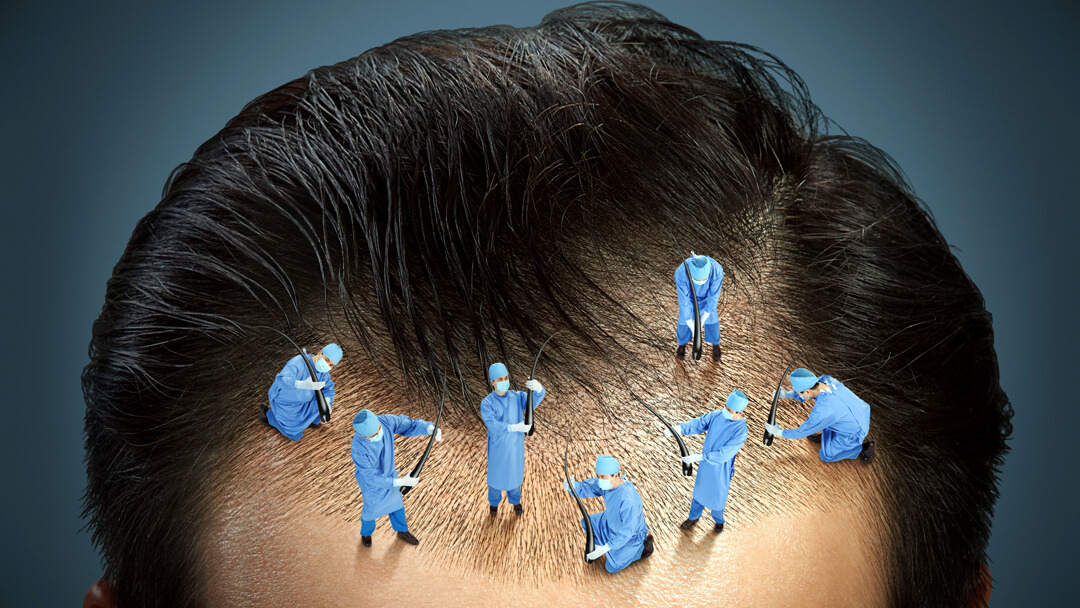
When is Hair Transplant Considered?
If it has been over a year since your therapy ended with no regrowth, you may consider hair transplant. Find a doctor for a preliminary medical review, assess if your case involves permanent damage, and discuss if a surgical consultation is appropriate.
Transplantation is not for temporary shedding. It is a last resort for verified permanent damage. You may be a candidate ONLY if ALL the following conditions are met:
1. Permanent Damage Confirmed
Loss is due to high-dose radiation (>50–60 Gy) to the scalp which destroys follicles, OR an extremely rare, documented case of chemotherapy-induced permanent alopecia.
2. Long Waiting Period
It has been 12–24 months since treatment ended with absolutely no meaningful regrowth.
3. Oncology Clearance
Your oncologist provides written confirmation that your cancer is in remission and no further cytotoxic therapy is planned.
4. Scalp Health
The recipient area has adequate blood supply. Post-radiation skin often has reduced vascularity, requiring special surgical techniques.
5. Realistic Expectations
Understanding that results may differ from a standard transplant, with possible lower density due to compromised scalp conditions.
Special Surgical Considerations
If surgery is deemed appropriate, it requires extreme caution and a conservative approach:
- Altered Scalp: Post-radiation skin may have reduced blood flow and flexibility, increasing risk of poor graft survival.
- Conservative Grafting: Fewer grafts per session may be necessary to ensure survival and avoid shock loss.
- Lifetime Planning: Protecting your finite donor supply is paramount. We never gamble grafts on uncertain ground.
Key Takeaways
- Anagen effluvium from cancer therapy is usually temporary. Full regrowth often occurs within 6–12 months of treatment ending.
- Hair transplant is contraindicated during active treatment or early recovery. The mandatory waiting period is at least 12 months.
- Surgery is a last resort for confirmed permanent follicular damage, most often from high-dose radiation, not standard chemotherapy.
- The priority is supportive care first: scalp health, nutrition, and emotional well-being while your body heals.
- A successful candidate requires oncology clearance, proven stability, and realistic expectations about outcomes.