
The Psychosocial Impact of Male Hair Loss
Understanding the profound link between hair density, self-perception, and social opportunity.
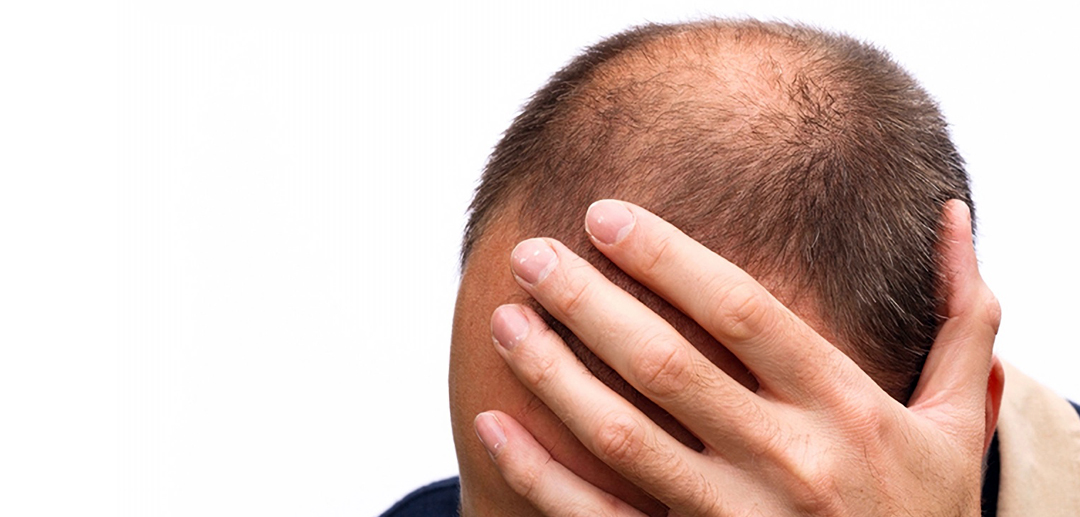
Can Hair Transplant Address Psychological Impact?
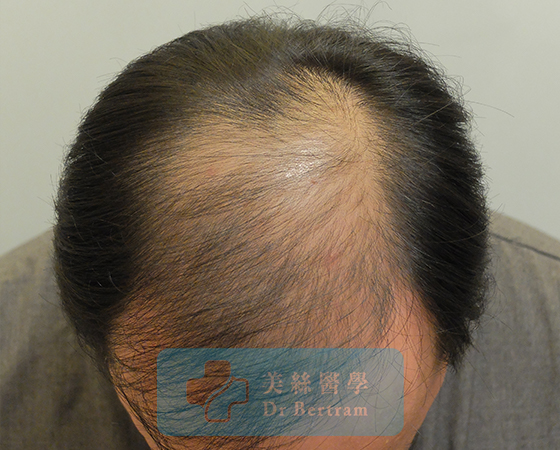
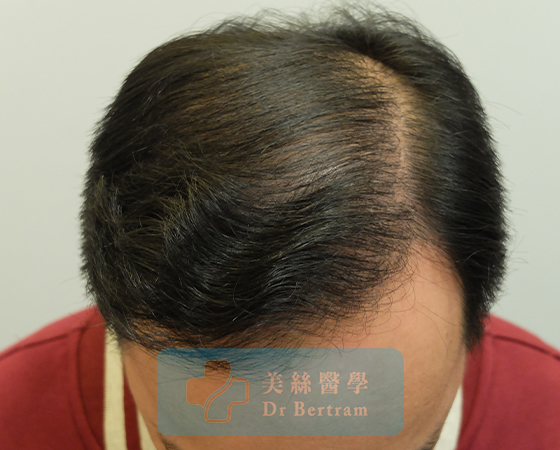
For men experiencing androgenetic alopecia, hair transplantation is the only permanent solution that directly restores both physical hair density and a foundational aspect of self-image. By providing a natural, lasting result, the procedure can mitigate the anxiety, social avoidance, and loss of confidence scientifically linked to progressive hair loss.
The Pathway to Improvement
- Restoration of Control: Taking proactive steps to address hair loss often alleviates feelings of helplessness associated with genetic conditions.
- Social Re-engagement: Improved appearance frequently correlates with increased willingness to participate in social activities and form new relationships.
- Professional Confidence: Aligning one's external appearance with their internal sense of vitality can enhance performance in high-stakes professional environments.
While the surgery addresses the physical symptom, the ripple effect on mental well-being is a critical component of the overall outcome.
What Do Key Studies Reveal?
Extensive research quantifies the profound effects of hair loss on self-perception, social dynamics, and career prospects.
Study 1: Psychological Effects on Men
Sample: 4,420 men (aged 25–54) | Date: 1999
- 77.4% believed they looked older than their actual age.
- 48.6% felt hair loss made them less attractive to the opposite sex.
- 25.2% reported being emotionally disturbed by their condition.
- 25.0% experienced a direct loss of self-confidence.
- 13.1% believed hair loss negatively affected employment opportunities.
Study 2: Women's Perceptions
Sample: 545 single women (aged 18–40) | Date: 2000
- 91.9% agreed hair loss significantly affects a man's appearance.
- 84.8% perceived men with hair loss as older than their actual age.
- 80.9% considered appearance an important factor in choosing partners.
- 67.6% believed hair loss reduces a man's attractiveness.
- 47.1% associated hair loss with a lack of confidence in men.
- 37.7% admitted minding hair loss when selecting partners.
Study 3: Employer Perspectives
Sample: 113 HK Employers | Date: 2005
- 80% agreed applicants with hair loss appear older.
- 43% would hesitate to hire for frontline customer service roles.
- 35% held a generally negative opinion of applicants with hair loss.
- 26% indicated they would not appoint such applicants to represent the company in important business meetings.
Study 4: Job Applicant Experiences
Sample: 500 HK Residents (concerned about hair loss) | Date: 2005
- 59% felt hair loss reduced their competitiveness.
- 56% believed it adversely affected first impressions on employers.
- 47% reported reduced confidence during job interviews.
- 20% admitted giving up job interview opportunities entirely due to hair loss.
What Conclusions Can Be Drawn?
The data collectively illustrates that male pattern hair loss extends far beyond aesthetics, functioning as a significant psychosocial stressor with tangible real-world consequences.
Key Findings
- Documented Psychological Toll: Men consistently report lower self-esteem, increased anxiety about appearance, and social withdrawal. In severe cases, this manifests as symptoms of depression and a pervasive sense of premature aging.
- Professional Headwinds: In competitive, image-aware societies, hair loss can create unconscious bias. Men are often perceived as older, less energetic, and potentially less authoritative, which can influence hiring and promotion decisions, particularly in client-facing or leadership roles.
- Public Health Recognition: The severity of this impact is formally acknowledged by health authorities. For instance, the Hong Kong SAR Department of Health has described male pattern hair loss as "Men's Most Painful" condition, validating it as a legitimate quality-of-life and public health issue rather than a superficial concern.
What Is the Pathway from Impact to Solution?
Recognizing these real-world consequences, an increasing number of professionals are moving beyond temporary fixes to seek definitive, evidence-based solutions.
1. Acknowledgment
Understanding that hair loss is actively affecting mental well-being, social functioning, or professional trajectory is the critical first step.
2. Medical Consultation
Seeking a formal diagnosis confirms the cause (typically androgenetic alopecia) and rules out underlying medical conditions requiring different treatment.
3. Evidence-Based Intervention
Exploring FDA-approved medications, low-level laser therapy, and, for suitable candidates, surgical hair transplantation as a permanent restoration of both hair and confidence.
About the Public Opinion Programme (POP)
The Public Opinion Programme (POP) was established in June 1991 to collect and study public opinion on topics of interest to academics, journalists, policy-makers, and the general public. In 2019, the POP transitioned to become the Hong Kong Public Opinion Research Institute (PORI) and is now an independent entity. The studies cited above regarding employer and applicant perceptions were commissioned by Pfizer and conducted via JobsDB.com and POP in Hong Kong.
Contact: Hong Kong Public Opinion Research Institute (PORI)
Website: www.pori.hk
Core Principles of Psychosocial Impact
- Validated Stressor: Hair loss is clinically recognized as a cause of anxiety, depression, and social avoidance, not merely a cosmetic concern.
- Perceived Age Discrepancy: Both men and women perceive balding men as significantly older than their actual age, influencing social and romantic interactions.
- Professional Bias: Unconscious bias in hiring and promotion can disadvantage men with advanced hair loss, particularly in client-facing or leadership roles.
- Public Health Recognition: Authorities in regions like Hong Kong formally classify severe hair loss as a "painful" condition affecting mental well-being.
- Restorative Potential: Surgical restoration addresses both the physical deficit and the associated psychological burden, often improving overall quality of life.