
Basic Hair Science: Anatomy & Biology
Understanding the biological foundation that drives successful hair restoration outcomes.
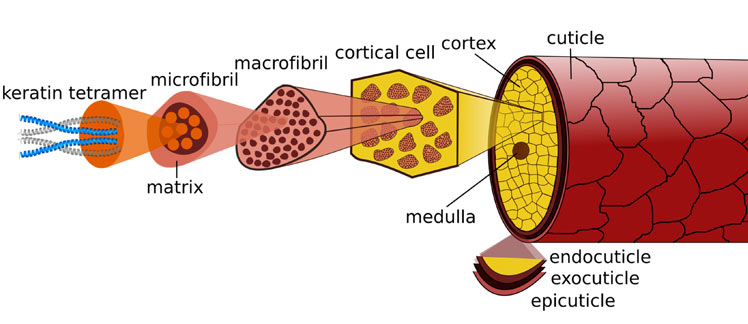
Core Principles of Follicular Biology
- Stem Cell Dependency: Long-term graft survival is contingent on preserving the epithelial stem cells located in the bulge region during extraction.
- Signaling Center: The dermal papilla regulates growth cycles; its separation from the bulb can temporarily halt growth but often allows regeneration if the bulge is intact.
- Enzymatic Target: The sebaceous gland houses high concentrations of 5-alpha-reductase, the enzyme converting testosterone to DHT, linking anatomy directly to genetic hair loss patterns.
- Tissue Balance: Optimal grafts retain enough adventitial tissue (fat, sheath) to protect structures without causing excessive recipient site trauma.
- Biological Support: Ex vivo grafts require metabolic support (ATP, temperature control) to survive the ischemic period before revascularization.
Critical Structures for Hair Transplant Success
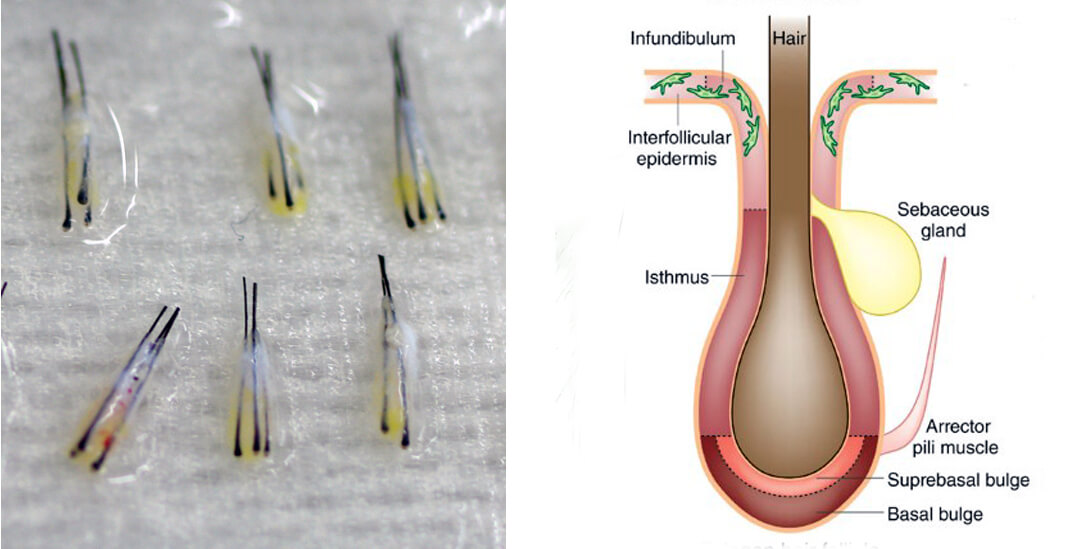
Understanding follicular anatomy is non-negotiable for ethical and effective surgery. Each component plays a specific role in graft viability and long-term growth.
Key Anatomical Components
- The Bulge: Located in the mid-follicle, this area houses the epithelial stem cells critical for follicle regeneration, cycling, and long-term survival. Preserving the bulge during extraction is the single most important factor in preventing graft death.
- The Dermal Papilla: Situated at the follicle base, this acts as the "command center," sending biochemical signals to stem cells to initiate and regulate hair growth. While sensitive to trauma, it can often regenerate if the bulge remains intact.
- The Sebaceous Gland: Attached to the upper follicle, this is where the enzyme 5-alpha-reductase is highly active. It converts testosterone to dihydrotestosterone (DHT), directly linking this anatomical structure to the mechanism of Androgenetic Alopecia.
- Surrounding Tissue (Adventitia): This includes protective fat, the dermal sheath, blood vessels, and the arrector pili muscle. It provides essential nourishment, structural support, and a buffer against mechanical trauma during handling.
The "Chubby vs. Skinny" Graft Debate
This historical controversy centered on the optimal amount of protective tissue to leave around a graft during extraction.
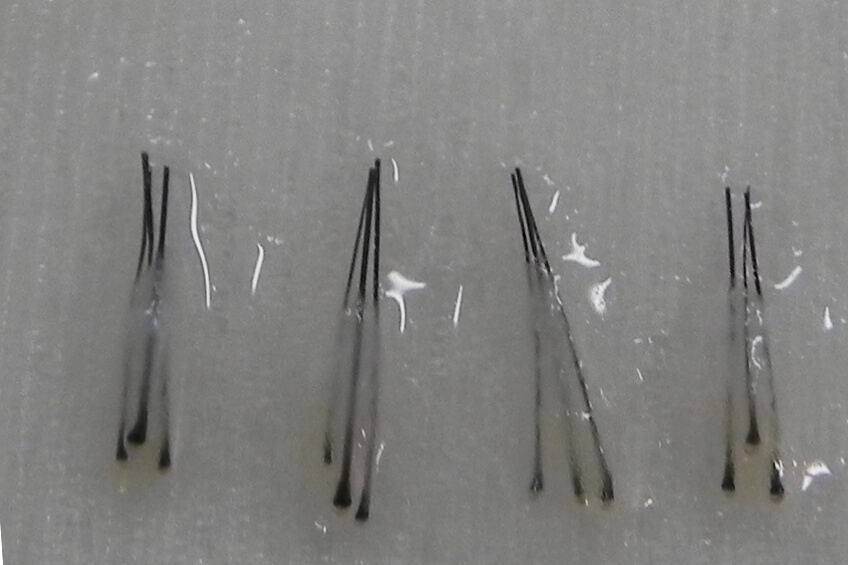
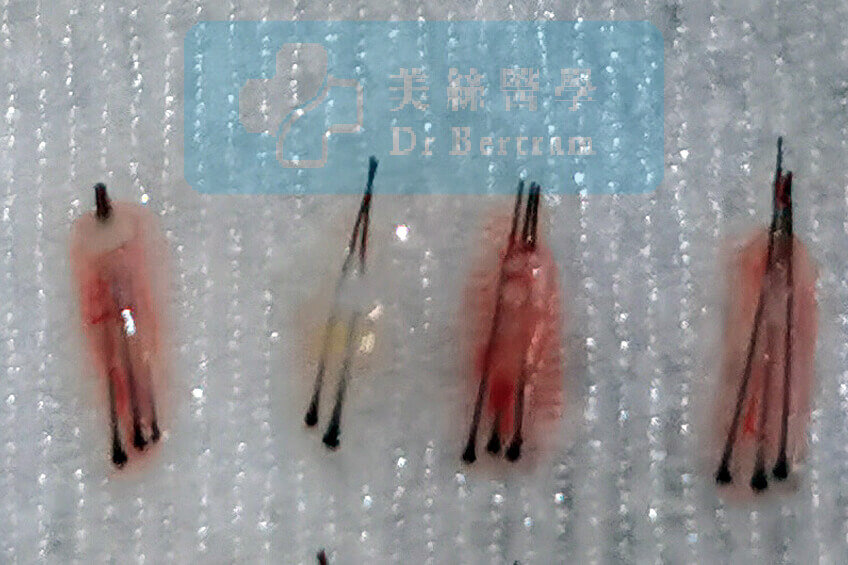
"Chubby" Grafts (Traditional FUT)
Harvested via the strip method (FUT), these grafts retain significant surrounding fat and connective tissue.
Evidence: A landmark 2010 study by Dr. Maryanne Beehner demonstrated higher survival rates (up to 98% for 1-hair grafts) because the extra tissue better protected the delicate stem cells and dermal papilla from desiccation and mechanical stress.
"Skinny" Grafts (Early FUE)
To fit into tiny recipient sites, early FUE techniques often trimmed away excessive tissue.
Risk: Over-trimming risked damaging the bulge or leaving the graft too vulnerable to dehydration and trauma, potentially lowering survival rates compared to FUT.
Modern FUE Resolution
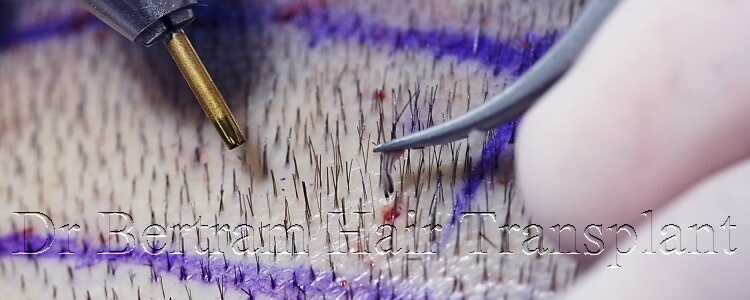
Contemporary protocols have bridged the gap. Advanced FUE utilizes precision instrumentation (e.g., sharp 0.8mm punches) and refined dissection techniques to harvest an optimal graft. These grafts preserve enough adventitial tissue to be "chubby" for maximum stem cell protection, yet remain streamlined enough for minimally traumatic implantation and rapid healing. This approach combines the survival benefits of FUT with the aesthetic advantages of FUE.
How Has Biotechnology Revolutionized FUE Survival?
Modern protocols have closed the survival gap between methods through specific biological interventions that support grafts during the critical ex vivo phase.
Key Innovations
- ATP-Enriched Storage Solutions: Grafts are stored in solutions containing Adenosine Triphosphate (ATP), often in liposomal form. This maintains cellular energy levels, preventing depletion during the ischemic period and supporting repair mechanisms upon re-implantation.
- Platelet-Rich Plasma (PRP): Injected into the recipient area or used as a soak, PRP releases concentrated growth factors that reduce inflammation, accelerate angiogenesis (new blood vessel formation), and enhance graft integration.
- Low-Level Laser Therapy (LLLT): Applied pre- and post-operatively, LLLT (photobiomodulation) stimulates mitochondrial activity, reduces oxidative stress, and promotes faster healing of both donor and recipient sites.
- Precision Instrumentation: Ultra-sharp, small-diameter punches allow for clean extraction with transection rates <2%, minimizing tissue trauma and preserving the integrity of the follicular unit.
How Is This Science Applied Clinically?
Theoretical knowledge translates directly into practical strategies for diagnosis, surgery, and medical management.
Diagnosis & Planning
- Miniaturization Tracking: Dermoscopy identifies the shift from terminal (>0.06mm) to vellus (<0.03mm) hairs, confirming Androgenetic Alopecia.
- Follicle Status: Assessing follicular openings differentiates permanent scarring alopecias from temporary shedding conditions.
Surgical Execution
- Donor Selection: Targets DHT-resistant follicles in the permanent zone with healthy bulges.
- Graft Handling: Focuses on preserving the stem cell niche and dermal papilla during all phases.
- Site Creation: Angles and depths are calculated to mimic natural growth and protect graft anatomy.
Medical Therapy
- 5α-Reductase Inhibitors: Drugs like Finasteride target the enzyme in the sebaceous gland to reduce DHT.
- Stimulative Therapies: Minoxidil and LLLT aim to increase blood flow and cellular activity around the dermal papilla.
Last Updated: June 18, 2026
This website is continuously reviewed and updated. Archived versions are not authoritative.