
Does Hair Transplant Really Work ?
Scientifically Proven. Clinically Established. Globally Recognised.
100 Years of History
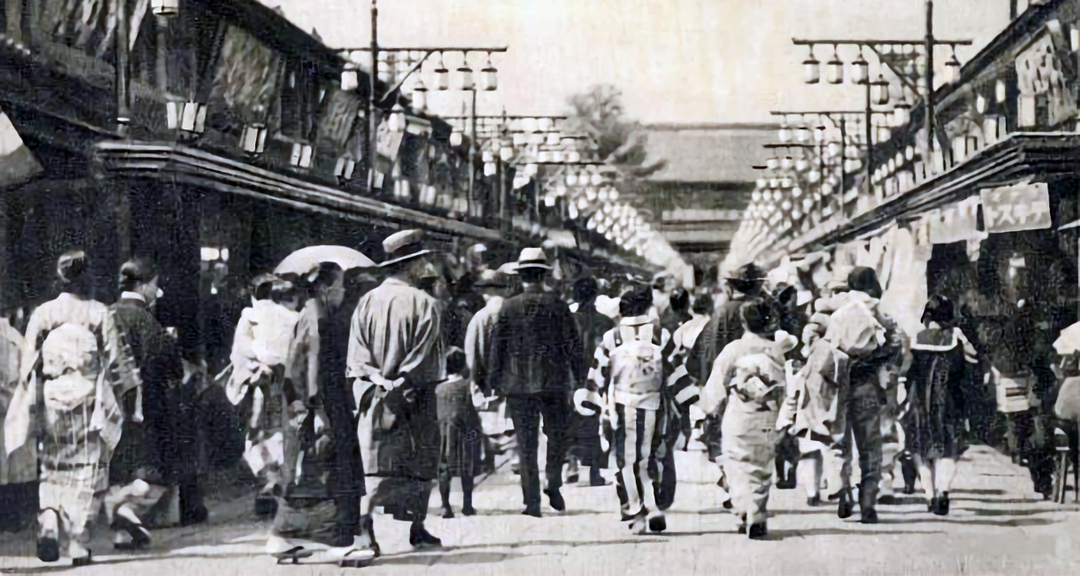
Hair transplant has been performed since the early 1900s. Over a century of clinical experience has established hair transplantation as an effective surgical treatment for hair loss. The scientific basis — that transplanted grafts can survive and last a lifetime — is well-documented and widely accepted in the medical community.
According to the International Society of Hair Restoration Surgery (ISHRS), over 730,000 hair transplant procedures were performed worldwide in 2022, involving an estimated market value of approximately HKD 56 billion. Compared with 225,779 cases in 2006, this represents an increase of over 220% in 16 years. Men account for approximately 86% of all cases, with the average age range being 20–59 years. Asia accounts for approximately 200,000 cases annually, second only to North America, representing about 31% of the global total.
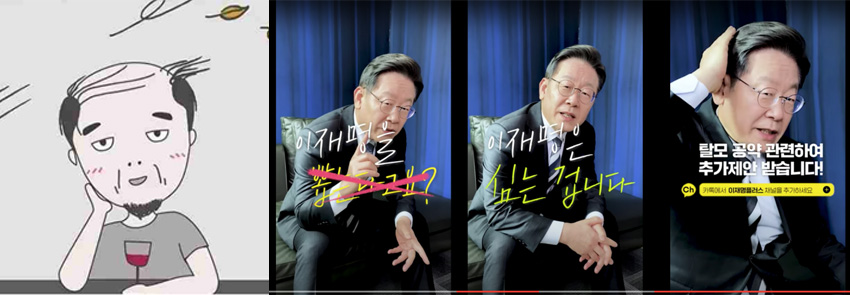
In a notable development during a previous election campaign in South Korea, hair transplant was proposed to be covered under the national health system, reflecting its growing recognition as a medical necessity rather than a purely aesthetic procedure.
Historical Evidence
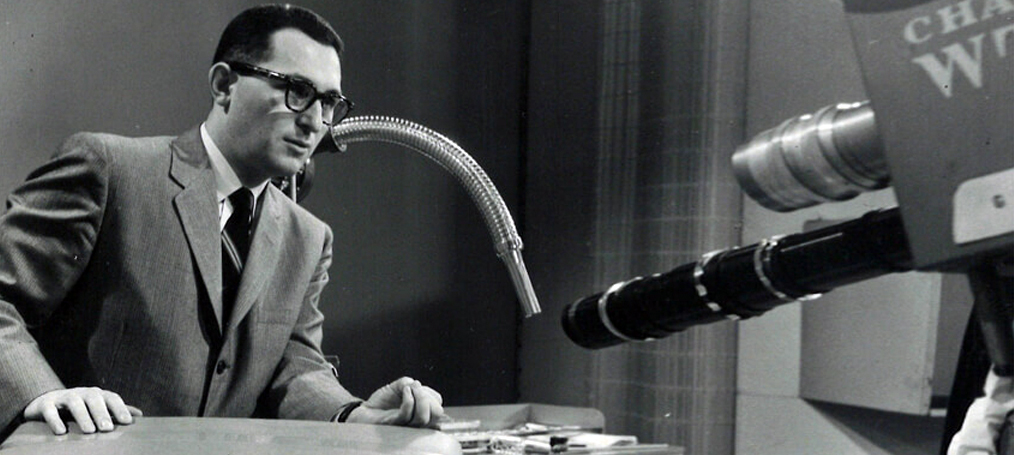
- 1882 — Joann Dieffenbach (Germany) used goose quills as trephines and began the history of auto hair transplantation.
- 1939 — Dr. Shoji Okuda (Japan) reported 30 successful cases of punch graft hair transplant.
- 1959 — Dr. Norman Orentreich (USA) reported the principle of Donor Dominance and became the first hair transplant surgeon in Western countries.
- 1990 — Dr. Misumi Inaba (Japan) published his FUE technique.
- 1991 — Dr. Bobby Limmer (USA) introduced the use of microscopes in graft dissection, starting the new era of Follicular Unit Hair Transplant.
- 2005 — Dr. Jerry Wong (Canada) introduced Ultra-Refined Follicular Unit Transplant (UR-FUT).
Accepted by Celebrities and General Public
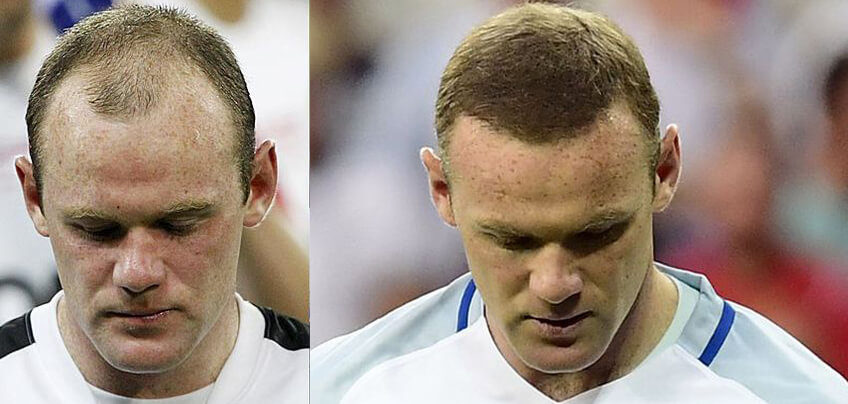
Since 1959, hair transplant has evolved into one of the fastest growing and most well-respected aesthetic surgical subspecialties. The procedure has attracted the attention of celebrities and the general public alike. Over 730,000 cases were performed worldwide in 2022. The following individuals have openly acknowledged undergoing hair transplant:
- American baseball hall of famer, Wade Boggs
- Former Major League Baseball player, Joe Niekro
- British celebrity, Shaun Williamson
- UK rock star, Francis Rossi
- Prime Minister of Italy, Silvio Berlusconi
- British soccer player, Wayne Rooney
- American actor, Matthew McConaughey
- British soccer player, David Beckham (reportedly)
- American actor, John Travolta
- British actor, James Nesbitt
Scientific Evidence
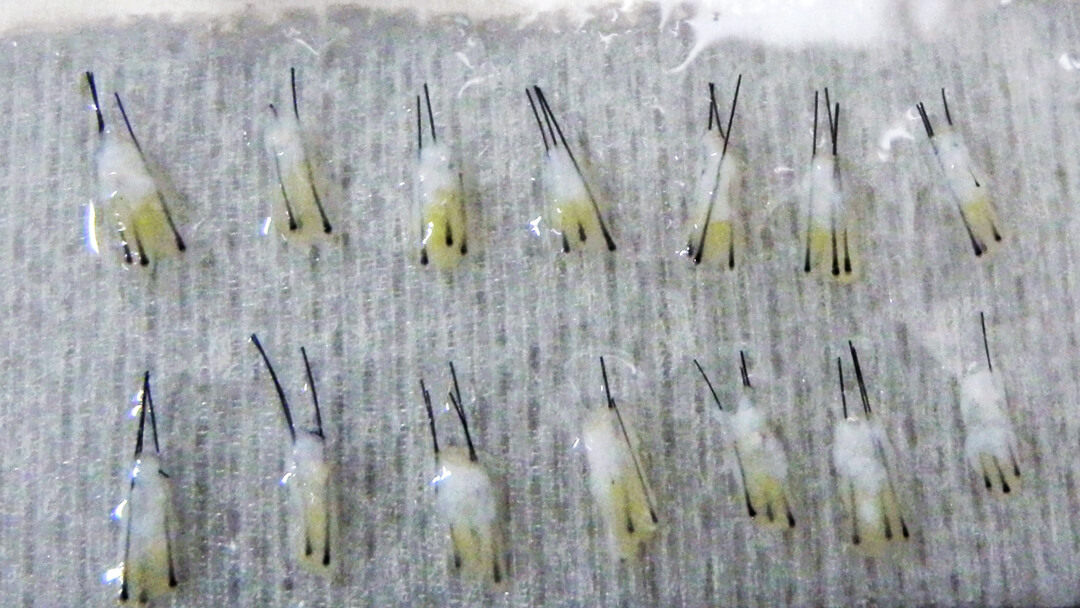
Scientists have established that the human scalp contains two types of hair: DHT-sensitive and DHT-insensitive. The DHT-insensitive hair is not affected by dihydrotestosterone (DHT), which induces hair miniaturisation in androgenetic alopecia. This type of hair can last a lifetime and is often referred to as "permanent hair."
In 1959, Dr. Norman Orentreich reported the principle of Donor Dominance. This phenomenon states that hairs, when moved from one body area to another, maintain their original characteristics (colour, curl, texture, and growth rate). This principle explains why hair transplant is possible. There is no rejection of transplanted hair, as grafts are transferred from one part of the scalp (donor site) to another (recipient site) of the same person.
Documented Evidence
Before & After Pictures of Patients
Thousands of patients' photos can be found online on hair transplant centre websites, documenting real clinical outcomes.
Medical Publications
Medical textbooks, peer-reviewed journals, and scientific papers on hair transplantation have been published since the 1930s, providing a robust evidence base for the procedure.
Approved by Government
Canadian Government
Hair transplant was considered an effective surgical treatment, and before the 2013 Budget, the cost of hair transplant was qualified for a tax credit on income tax.
Hong Kong Government
The Centre for Health Protection, Department of Health HKSAR has listed hair loss as men's "Most Painful" condition. Hair transplant is listed as a treatment option .
South Korea
During a previous election campaign, hair transplant was proposed to be included in the national health insurance system, reflecting its recognition as a medically necessary procedure.
Approved by the Medical Profession

Patients Become Surgeons
Many doctors who suffered from hair loss underwent hair transplant. Some were so impressed by the results that they changed their career path and became hair transplant surgeons themselves.
Medical Organisations
There are at least 16 hair transplant medical societies worldwide. Open examinations are conducted to assess the competency of hair transplant surgeons, ensuring professional standards.
Why Hair Transplant May Fail

Despite its high success rate, hair transplant can fail in certain circumstances. The following factors are associated with unsatisfactory outcomes:
Black Market Hair Transplant:
Unregulated providers operating outside established medical frameworks often use substandard equipment, non-sterile techniques, and untrained personnel. These procedures carry significant risks of infection, scarring, and poor graft survival.
Inadequate Training of Physicians:
Hair transplant is a surgical subspecialty that requires specific training and experience. Physicians who perform the procedure without adequate training in surgical technique, graft handling, or anatomical principles are more likely to produce poor results.
Improper Selection of Patients:
Not all patients are suitable candidates for hair transplant. Patients with insufficient donor hair, unrealistic expectations, or active scalp conditions may not achieve satisfactory outcomes. A thorough preoperative assessment is essential.
Lack of Long-Term Plan, Especially in Young Patients:
Young patients with progressive hair loss require a long-term treatment plan. Without c
onsideration of future hair loss patterns, transplanted hair may appear unnatural over time. A comprehensive approach should include both surgical and medical strategies.Omission of Adjuvant Medical Therapy:
Hair transplant addresses existing baldness but does not halt the progression of androgenetic alopecia. Without concurrent medical therapy (e.g., finasteride, minoxidil), non-transplanted hair may continue to thin, leading to an unnatural appearance over time.