
Non-Shaved FUE: Strategic Discretion for Select Candidates
Achieving aesthetic discretion through precise candidate selection and strategic follicular extraction.
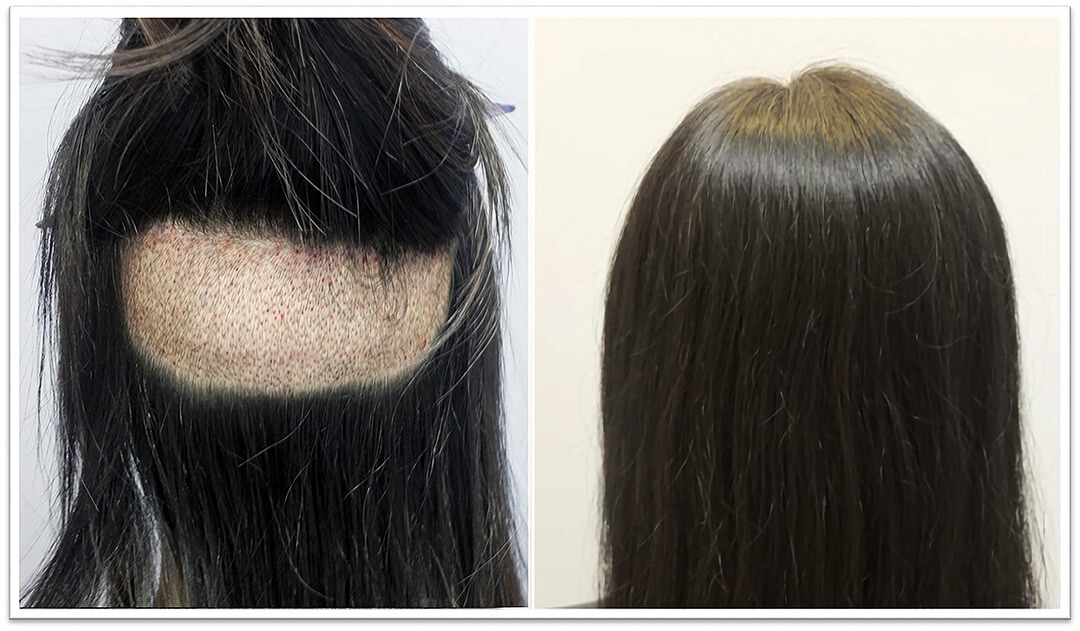
What Is Non-Shaved FUE?
Non-Shaved FUE (often called "No-Shave" or "Trimmed" FUE) involves trimming the donor hair to a very short length (approximately 1–2mm) rather than shaving it completely to the skin. The surrounding, untrimmed hair is left long enough to fall over and conceal the treated area immediately after surgery.
This technique differs significantly from Long Hair FUE (where grafts are extracted with long shafts intact). In Non-Shaved FUE, the hair is short enough to allow the surgeon clear visibility of the follicular angle, reducing the risk of transection (damage) while still offering a high degree of social discretion.
Strict Candidacy Criteria
Non-Shaved FUE is not a universal solution. It is reserved for patients who meet specific anatomical and lifestyle requirements to ensure safety and aesthetic success.
✅ Small Session Size
Best suited for <1,800 hairs. Larger sessions require extensive trimming that becomes difficult to conceal and significantly prolongs surgery time, potentially affecting graft viability.
✅ High Donor Density
The patient must possess exceptional donor density. There must be enough surrounding hair to effectively camouflage the trimmed extraction zones immediately post-op. Thin donor hair will fail to hide the procedure.
✅ Long Hair Lifestyle
The patient must have no intention of wearing short hairstyles (e.g., buzz cuts, skin fades, military cuts) in the future. The trimmed patch will remain permanently visible if the hair is cut below a certain length.
✅ No Excessive Bleeding Risk
Patients must stop all vitamins, supplements, and blood-thinning medications (e.g., aspirin, ibuprofen, warfarin, vitamin E, fish oil, ginseng) for a specified period before surgery as advised by the surgeon, as even minor oozing can compromise visibility and graft placement in the trimmed donor area.
Advantages vs. Limitations
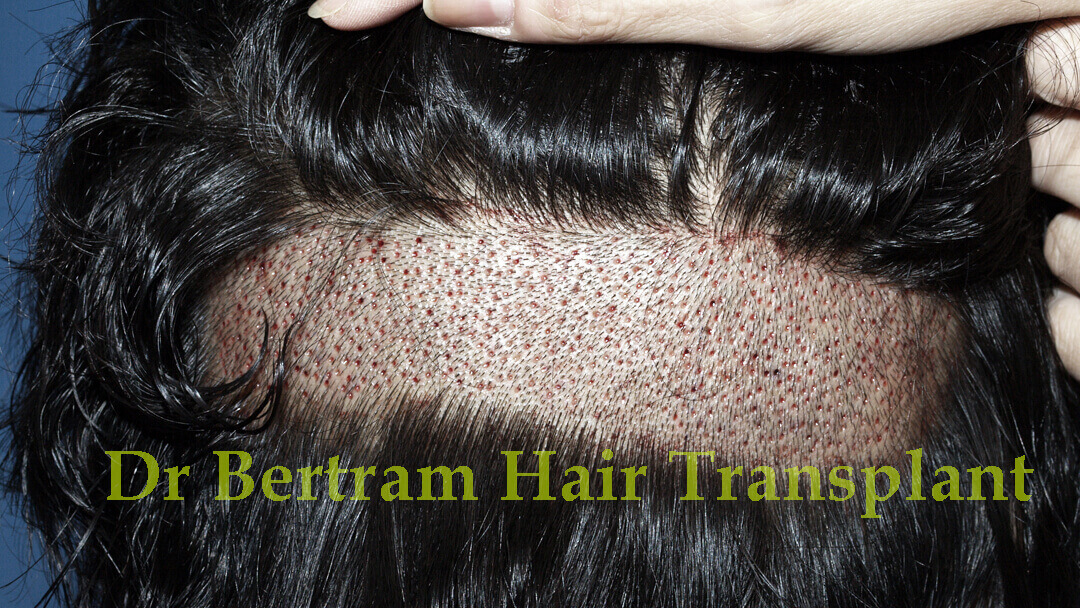
Key Advantages
| Advantage | Explanation |
|---|---|
| Social Discretion | Allows for a rapid return to work or social events with minimal visible signs of surgery. |
| Psychological Comfort | Reduces anxiety associated with the temporary "shaved look" of standard FUE. |
| Reasonable Visibility | Unlike Long Hair FUE, the short trim allows surgeons to see follicular angles, maintaining a good safety profile. |
Key Limitations
| Limitation | Explanation |
|---|---|
| Session Cap | Not feasible for large-scale restorations (e.g., Norwood V-VI) requiring 1,800+ hairs. |
| Styling Constraint | Permanently limits the patient's ability to wear very short hairstyles (buzz cuts, fades). |
| Increased Complexity | Requires more time and skill than standard shaved FUE, potentially increasing cost. |
Important Consideration
Non-Shaved FUE offers a valuable middle ground for patients requiring discretion. However, it is not a substitute for standard shaved FUE in patients requiring larger sessions or those who prefer short hairstyles. The decision should be made on a case-by-case basis, balancing social needs against surgical safety and long-term aesthetic goals.