
Our Pain Management Protocol
Prioritising patient comfort through conscious sedation, distraction techniques, and careful anesthesia.
Understanding Conscious Sedation
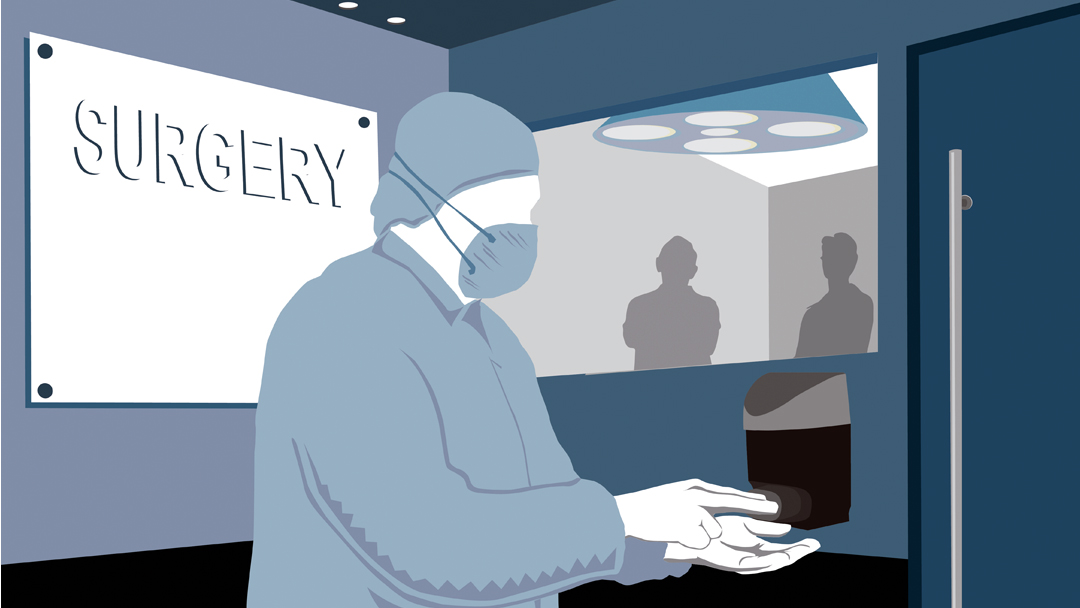
Hair transplant surgery requires patients to remain comfortable and still for extended periods. We use Level One Conscious Sedation as defined by Massachusetts General Hospital's outpatient care standards—a form of "twilight sleep" where patients remain awake and able to respond while feeling relaxed and comfortable .
This approach is safer than general anaesthesia for hair transplant procedures and allows patients to communicate with the surgical team throughout the procedure . Oral sedation is administered pre-operatively to reduce anxiety and raise the pain threshold .
Read More About Conscious Sedation in Office-Based Procedure →Avoiding Vasovagal Episodes
Vasovagal syncope—a sudden drop in blood pressure causing faintness—is a recognised intraoperative complication in hair transplant surgery . Common prodromal symptoms include sweating, nausea, and vision disturbances .
Our use of mild oral sedation helps reduce the risk of vasovagal attacks by keeping patients calm and relaxed. We also position patients appropriately throughout the procedure, as vasovagal episodes are more frequent when patients are in a sitting or standing position .
Anaesthesia Injection Technique

Local anaesthesia administration is often the most uncomfortable part of the procedure . We employ multiple strategies to minimise discomfort:
Fine Needles: We use 30-gauge needles—among the finest available—for injection. This reduces the initial pain of skin penetration.
Distraction Methods: We combine injection with:
- Leg massage to provide tactile stimulation
- Soothing background music to reduce anxiety
- Tapping on distant bony areas (such as the shoulder) which activates the Gate Control Theory
The Gate Control Theory explains that tactile stimuli activate mechanoreceptors that send inhibitory signals to the spinal cord, effectively "closing the gate" to pain transmission . Studies show that tapping on distant bony prominences can significantly reduce injection pain without additional equipment .
Our Injection Approach: Field Block
We use field block anaesthesia rather than nerve blocks. Field blocks involve infiltration of anaesthetic around the surgical area, providing adequate coverage without the deeper penetration required for nerve blocks.
Tumescent anaesthesia is our preferred technique—injecting large volumes of very diluted anaesthetic plus adrenaline into the donor and recipient areas . This approach offers several advantages:
- Provides long-lasting analgesia
- Creates a clear, bloodless surgical field
- Stabilises tissue for easier graft extraction
- Reduces postoperative pain and swelling
Intraoperative Comfort
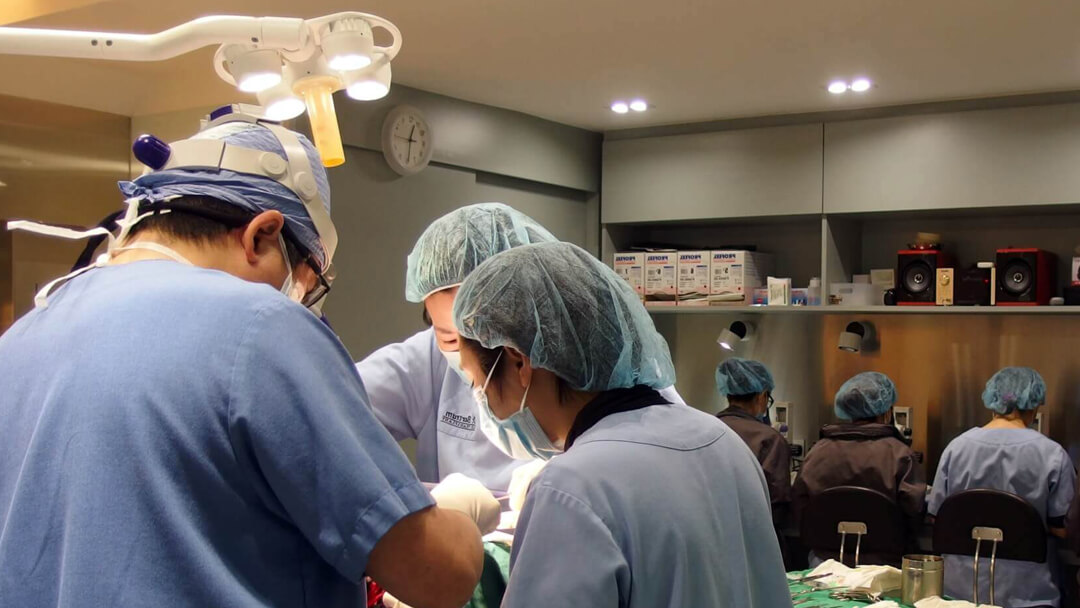
We understand that lying prone during graft extraction can be uncomfortable. We allow patients to walk around every 45–60 minutes during the extraction phase to relieve this discomfort.
Our purpose-built surgical chair is ergonomically designed with multiple adjustments for optimal positioning. Most patients are able to sleep comfortably through the implantation phase.
We have adequate surgical staffing to minimise procedure time, thereby reducing overall discomfort. Experienced teams working efficiently contribute significantly to patient comfort .
Postoperative Pain Management
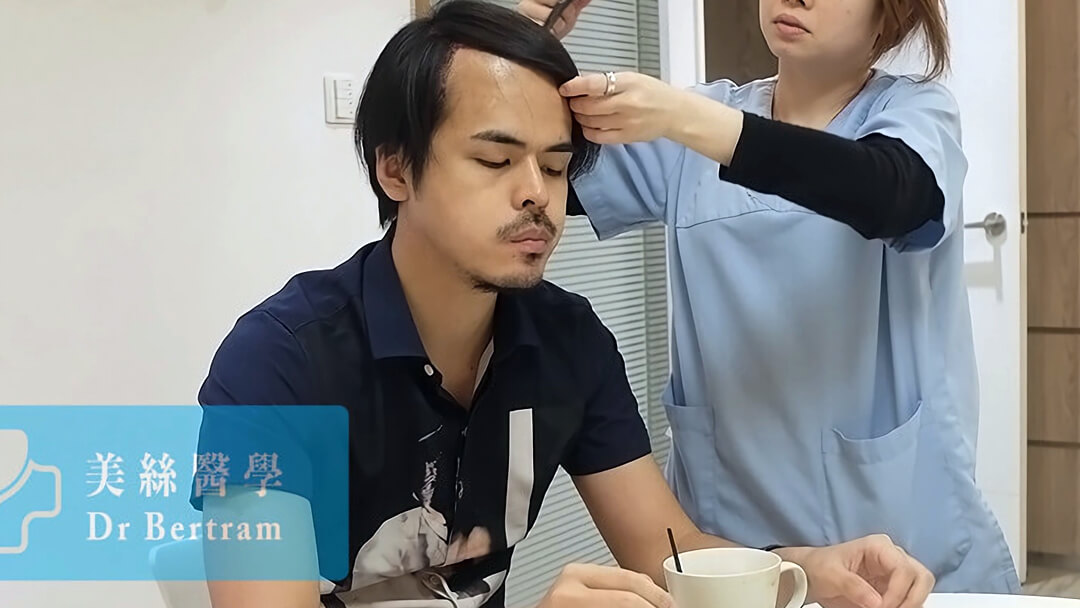
We prescribe postoperative medication for pain relief; however, most patients do not require it after the initial recovery period.
Most patients remain pain-free during the first week, and sleep disturbance is uncommon. Proper maintenance of anaesthesia during the procedure, along with field blocks and timely repetition of anaesthesia, is fundamental to keeping patients pain-free .
Managing Late Effects
Some patients experience tingling or mild numbness in the donor area starting around 5 days postoperatively. This is a recognised postoperative sensory change . We have established protocols to manage this effectively when it occurs.
24-Hour Support
We provide 24-hour clinical backup for any postoperative concerns. Patients can reach us at any time if they experience unexpected symptoms or have questions.