
SMP – Are You Suitable?
Clinical overview of the suitable candidates for scalp micropigmentation (SMP).
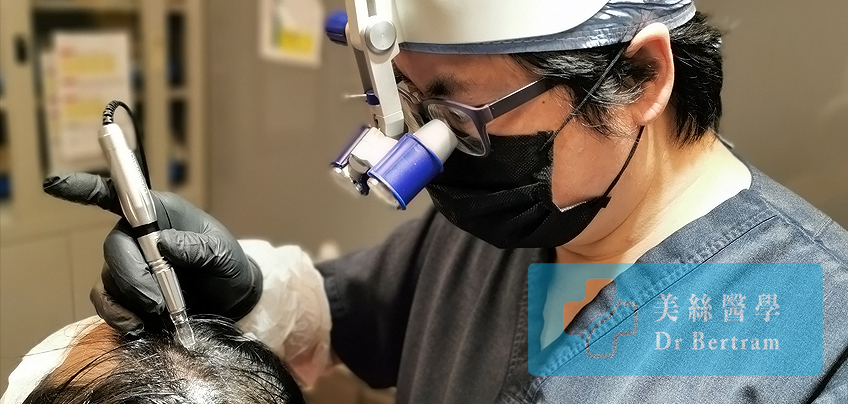
Clinical Applications of SMP
SMP has a range of clinical applications, each with specific indications and patient selection criteria.
Improve Hair Transplant Result
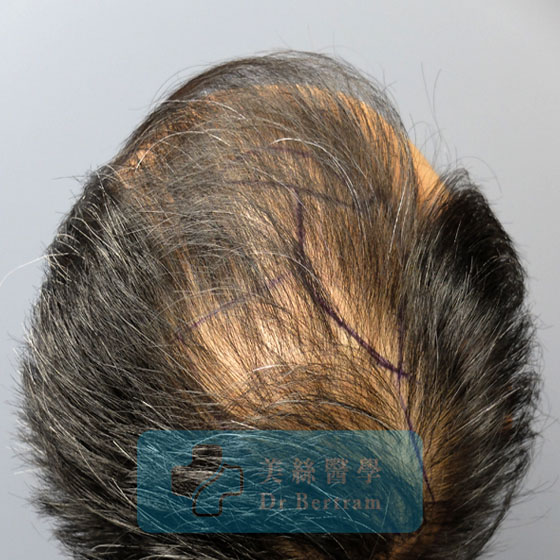
SMP is commonly used as an adjunct to surgical hair restoration, enhancing the visual outcome of transplantation.
- Adds illusion of density: SMP creates thousands of pigment dots that mimic shaved hair follicles, adding perceived density behind the transplanted hairline.
- Conceals donor area scars: FUT linear scars and FUE dot scars can be effectively camouflaged, restoring visual continuity to the donor area.
- Refines uneven graft distribution: In cases where graft placement is uneven or density is insufficient, SMP can provide a more uniform appearance.
- Ideal for: Patients who have undergone hair transplantation but desire greater density, or those with limited donor supply.
Diffuse Scalp Thinning
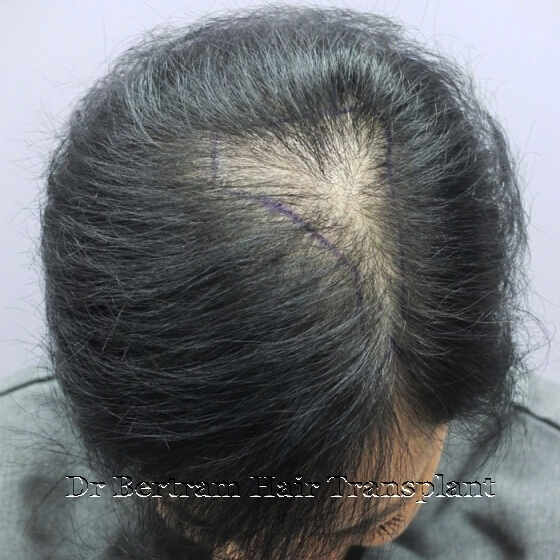
For patients with diffuse thinning – particularly common in female pattern hair loss – SMP provides a non-surgical solution to reduce scalp visibility.
- Reduces scalp visibility: Pigment dots are placed between existing hairs, reducing the contrast between hair and scalp.
- Creates illusion of greater density: The visual effect of hundreds of pigment dots gives the appearance of a thicker, fuller scalp.
- Common for female pattern hair loss: Women with diffuse thinning often benefit from SMP as an alternative to surgery, particularly when donor supply is insufficient.
- Ideal for: Patients with stable diffuse thinning who desire a low-maintenance solution.
Scar Camouflage
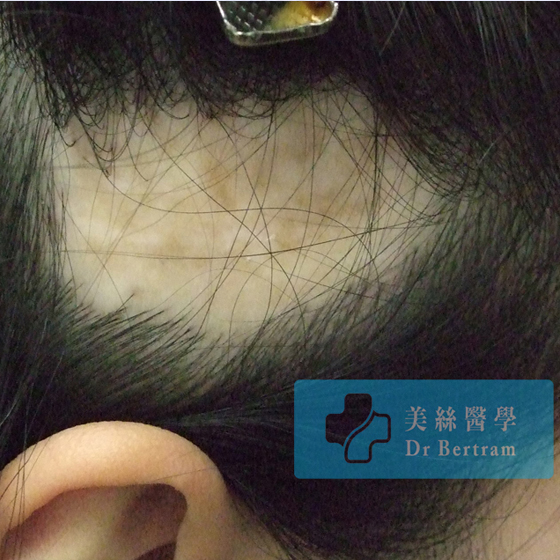
SMP is one of the most effective methods for concealing scars on the scalp, whether from previous surgery or trauma.
- Masks FUT linear scars: The linear scar from strip harvesting can be camouflaged with pigment dots, blending it into the surrounding scalp.
- Conceals FUE dot scars: Multiple small punch scars in the donor area can be filled in to restore a uniform appearance.
- Restores visual continuity: SMP creates a seamless transition between the scarred area and healthy scalp, making the scar less noticeable.
- Ideal for: Patients with visible scarring from previous hair transplants, trauma, or surgery.
Alopecia Areata
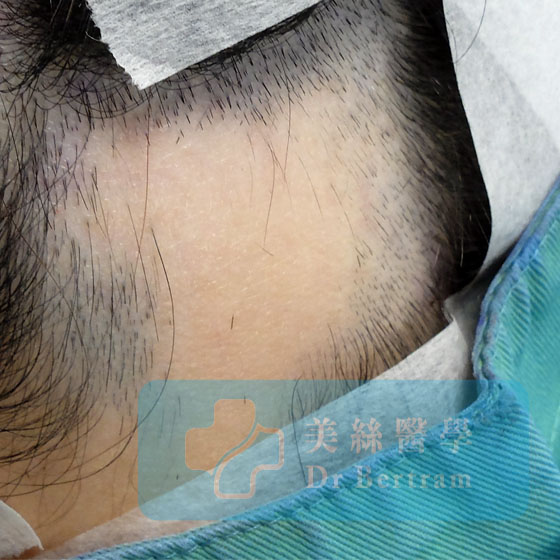
For patients with stable, localized alopecia areata, SMP can provide cosmetic camouflage when medical treatments have not achieved sufficient regrowth.
- Conceals stable patches: Pigment is placed in areas of stable, non-progressive hair loss to create the appearance of follicles.
- May restore eyebrow appearance: SMP can be used to create the illusion of eyebrow hair in patients with eyebrow alopecia.
- Can enhance density after transplant: For patients who have undergone transplantation for alopecia areata, SMP can add density to the result.
- Ideal for: Patients with stable, localized alopecia areata who are seeking non-surgical camouflage.
Additional Clinical Applications
Beyond the primary indications, SMP has several other valuable clinical applications:
Complete Scalp Coverage
- Indication: Patients with advanced (Norwood 6-7) hair loss who are not candidates for surgery.
- Benefit: Creates the appearance of a closely-shaved full head of hair.
- Consideration: Requires a skilled practitioner to create a natural-looking hairline and density gradient.
Eyebrow Restoration
- Indication: Patients with eyebrow hair loss due to alopecia areata, over-plucking, trauma, or congenital conditions.
- Benefit: Creates the appearance of natural eyebrows with careful pigment matching and hair stroke simulation.
- Consideration: Requires specialized training and precision due to the sensitive location.
Camouflage for Medical Conditions
- Indication: Patients with cicatricial (scarring) alopecia, traction alopecia, or other conditions causing permanent hair loss.
- Benefit: Provides cosmetic camouflage that reduces the visibility of hair loss.
- Consideration: Patients with active inflammation should wait until the condition is stabilized before undergoing SMP.
Gender-Specific Applications
- Men: SMP is most commonly used for creating a shaved-head appearance, adding density to crown thinning, or camouflaging donor scars.
- Women: SMP is often used to reduce scalp visibility in diffuse thinning, particularly in female pattern hair loss, where surgery may be less suitable.
ISHRS Triple Crown Recognition (2019)
In 2019, the International Society of Hair Restoration Surgery (ISHRS) officially recognized Scalp Micropigmentation as part of the "Triple Crown" of hair restoration – alongside medical therapy and surgical hair transplantation.
This recognition was significant because it validated SMP as a legitimate, evidence-based treatment option for certain types of hair loss, rather than merely a cosmetic camouflage technique.
What This Means for Patients
- Clinical legitimacy: SMP is recognized as a medically appropriate treatment option, not just a cosmetic procedure.
- Integrated approach: SMP, medical therapy, and surgery can be combined to achieve the best possible outcome for each patient.
- Professional standards: ISHRS recognition implies that practitioners should adhere to professional standards and evidence-based practices.
- Reimbursement: While not yet widely reimbursed, recognition by a major medical society supports future insurance coverage discussions.
Implications for Clinical Practice
- SMP should be considered as part of a comprehensive treatment plan, not as a standalone procedure.
- Patients should be evaluated for all three components of the Triple Crown – medical therapy, surgery, and SMP – to determine the optimal combination.
- SMP is particularly valuable when surgery alone cannot achieve the desired outcome, such as in patients with limited donor supply or diffuse thinning.
Patient Selection Criteria
Not all patients are suitable candidates for SMP. The following factors should be considered:
Indications (Good Candidates)
- Stable hair loss pattern: Hair loss that has been stable for at least 6-12 months.
- Realistic expectations: Understanding that SMP creates the illusion of hair, not actual hair growth.
- Medical stability: No active scalp inflammation, infection, or untreated skin conditions.
- Complementary treatment: Willing to combine SMP with medical therapy or surgery when indicated.
Contraindications (Poor Candidates)
- Active scalp conditions: Psoriasis, eczema, seborrheic dermatitis, or active alopecia areata.
- Unstable hair loss: Rapidly progressing hair loss that may alter the pattern of pigmentation.
- Unrealistic expectations: Expecting SMP to look like natural, unshaved hair.
- Medical conditions affecting healing: Diabetes, autoimmune conditions, or immunocompromised status.
SMP vs. Hair Transplant Surgery
Understanding the differences between SMP and surgery is essential for informed decision-making.
| Feature | SMP | Hair Transplant |
|---|---|---|
| Nature | Non-surgical pigmentation | Surgical hair restoration |
| Result | Illusion of shaved hair | Actual hair growth |
| Downtime | Minimal (few days) | Longer (1-2 weeks) |
| Maintenance | May requires touch-ups every 3-5 years | May requires long term use of Medication |
| Scarring | Minimal – small pigment dots | Linear or dot scars (donor area) |
| Cost | Lower upfront cost | Higher upfront cost |
| Best for | Diffuse thinning, scars, shaved look | Bald areas, density restoration |
Making the Decision
SMP is a versatile and effective treatment option for many types of hair loss. Its recognition by the ISHRS as part of the Triple Crown of hair restoration validates its clinical role alongside medical therapy and surgery.
The best candidates for SMP are patients with realistic expectations, stable hair loss patterns, and a willingness to combine treatment modalities when appropriate. A thorough clinical assessment is essential to determine whether SMP is suitable for each individual patient.