
Traction Alopecia
Hair Loss from Tension - Clinical overview of diagnosis and management.
What Is Traction Alopecia?
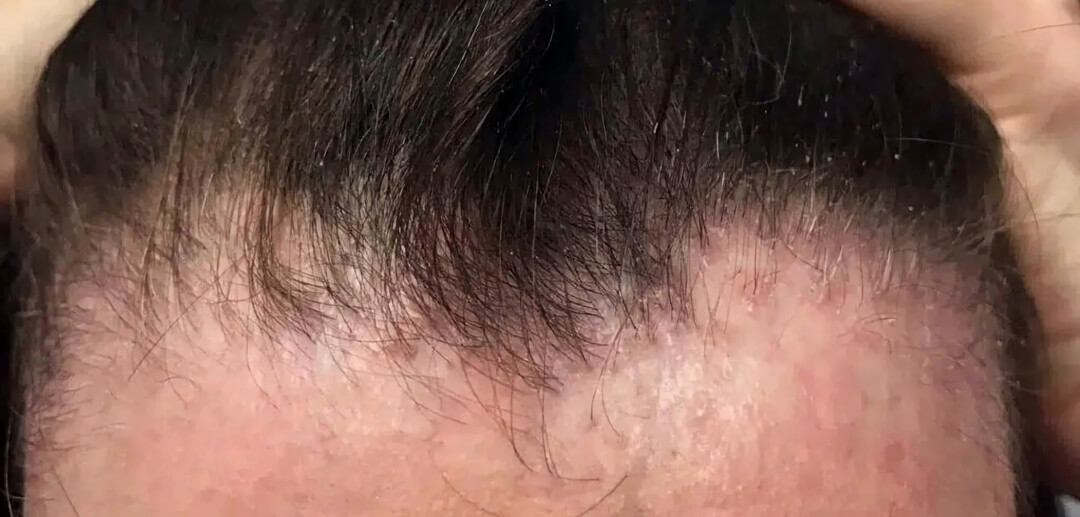
Traction alopecia is a form of hair loss associated with sustained mechanical tension on hair follicles. It is typically related to hairstyling practices.
Clinical Characteristics
- External cause: The condition is associated with mechanical tension, not genetic factors.
- Preventable: Modifying styling habits may prevent progression.
- Early stage: Hair may regrow after tension is removed.
- Advanced stage: Prolonged tension may lead to permanent follicular changes.
Early Signs
- Hairline thinning: Particularly at the temples or frontal hairline.
- Broken hairs: Short hairs near the hairline.
- Scalp changes: Redness, small bumps, or tenderness after styling.
- Widening part lines: Visible scalp in areas under tension.
Hairstyles Associated with Traction Alopecia
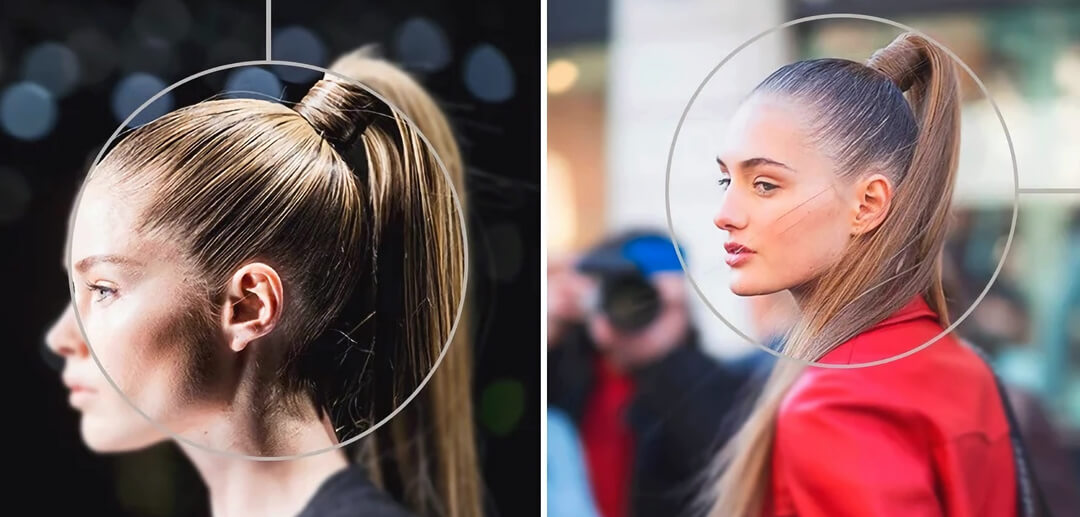
Hairstyles that place sustained tension on the hair root may contribute to this condition. Examples include:
- Tight ponytails, buns, or topknots: Particularly when worn daily.
- Cornrows, box braids, or dreadlocks: Especially when installed with significant tension.
- Hair extensions, weaves, or wigs: If attached in a manner that pulls on natural hair.
- Headbands or clips: Worn tightly in the same position.
Prevention Strategies
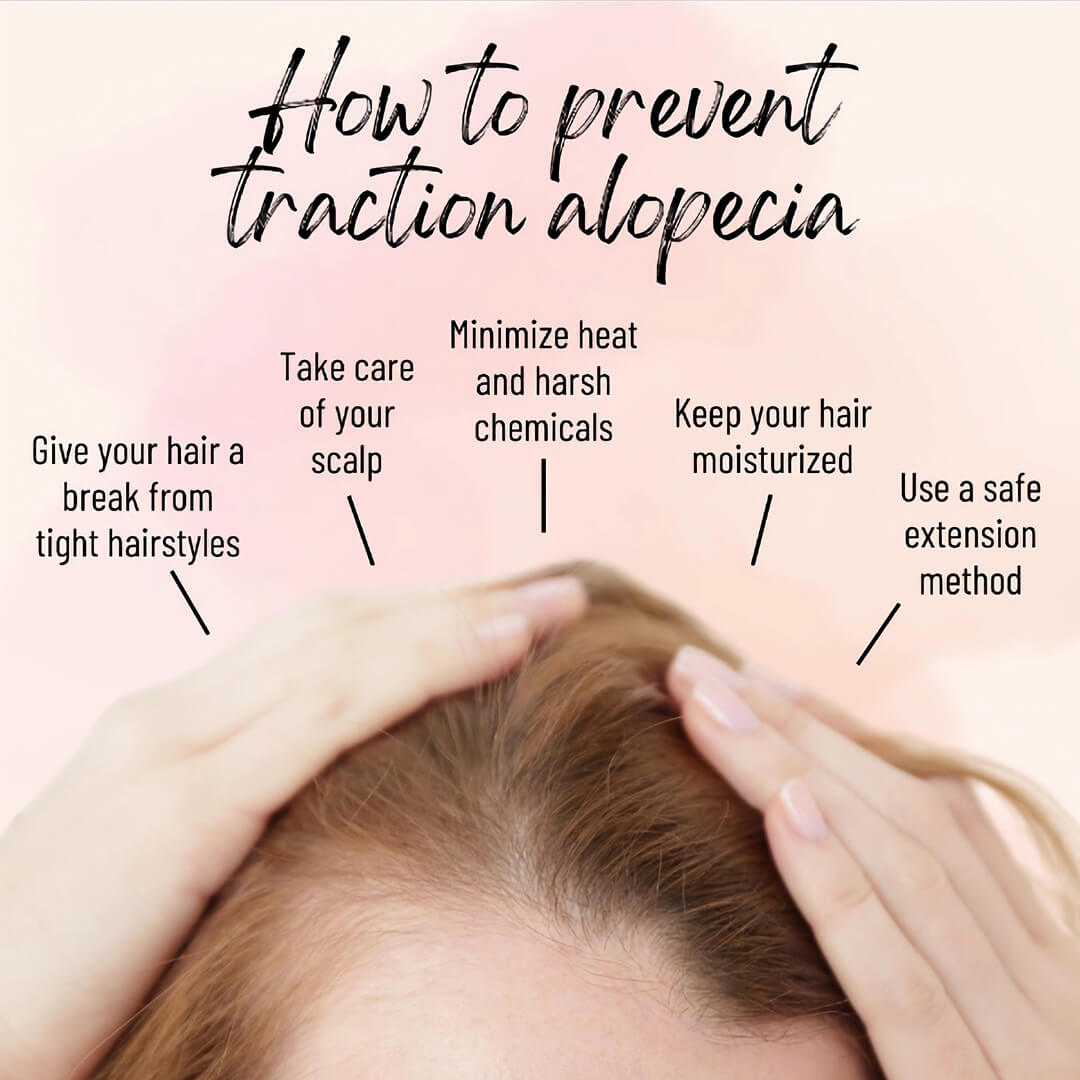
- Loose styling: Avoid pulling the scalp tightly during styling.
- Pain awareness: Pain during styling may indicate excessive tension.
- Style rotation: Alternate hairstyles to avoid constant tension on one area.
- Rest days: Allow hair to remain loose periodically.
- Soft accessories: Use fabric-covered elastics when possible.
Management Approaches
Early Stage
- Remove tension: Discontinue causative hairstyles.
- Scalp care: Gentle cleansing for any scalp irritation.
- Monitor regrowth: Observe for improvement over several months.
Advanced Stage
- Clinical assessment: A physician can evaluate follicular status.
- Stability confirmation: Document that hair loss has stabilized.
- Procedural options: Hair restoration may be discussed if loss is stable and permanent.
Procedural Candidacy Considerations
FUE hair restoration may be considered in select cases where the following conditions are met:
- Tension eliminated: Causative hairstyles have been discontinued for an extended period.
- Stability confirmed: Hair loss pattern has stabilized with no further recession.
- No active inflammation: The scalp shows no signs of ongoing irritation.
- Donor hair available: Sufficient healthy donor hair is present.
Clinical note: Individuals who continue tension-inducing hairstyles after a procedure may experience adverse effects on both native and transplanted hair.
Key Clinical Points
- Traction alopecia is caused by mechanical tension on hair follicles.
- Early signs include thinning at the temples, broken hairs, and scalp discomfort.
- In early stages, removing tension may allow for hair regrowth.
- In advanced stages with permanent changes, hair restoration may be considered after stability is confirmed.