
Am I Suitable For Hair Transplant
Clinical guide to candidacy and treatment planning for hair transplantation.
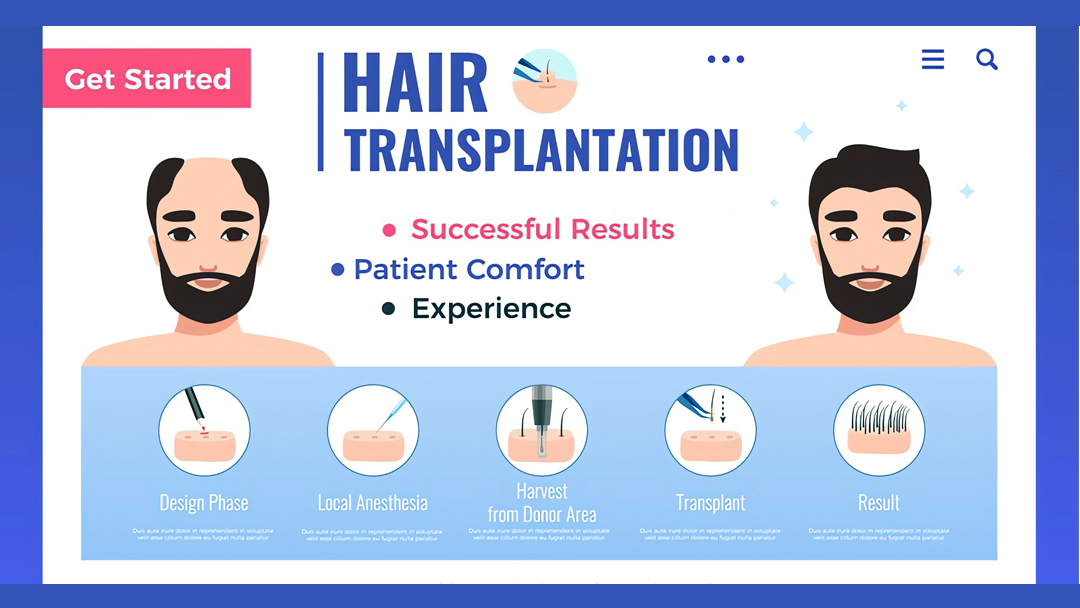
Hair transplantation is a highly effective solution for many types of hair loss – but it is not suitable for everyone. The key to a successful outcome lies in accurate diagnosis, careful patient selection, and a personalized treatment plan that considers your unique clinical picture.
During your consultation, your doctor will assess several factors to determine whether surgery is appropriate – and if so, how to achieve the best possible result while preserving your long-term donor supply. These factors include your gender, age, hair loss pattern, underlying cause, and future hair loss risk.
Men: Good Candidates & Treatment Strategies
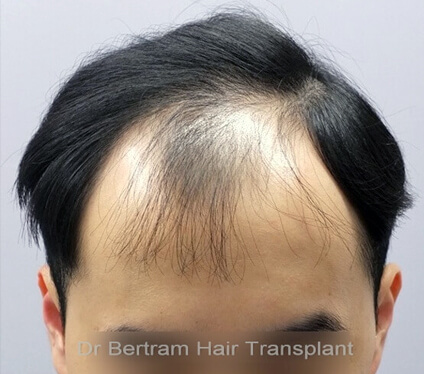
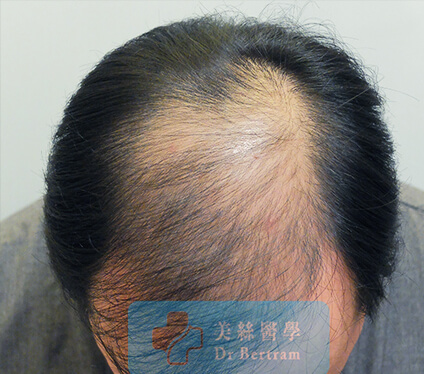
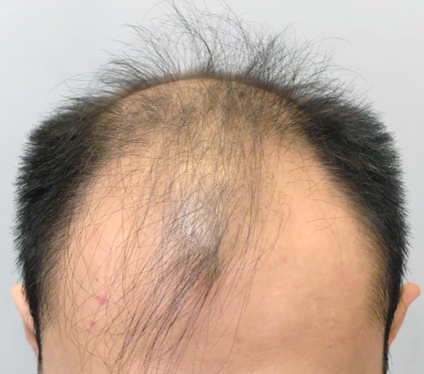
Male pattern hair loss follows predictable patterns. Planning considers age, future loss progression, donor capacity, and aesthetic goals.
Women: Good Candidates & Treatment Strategies
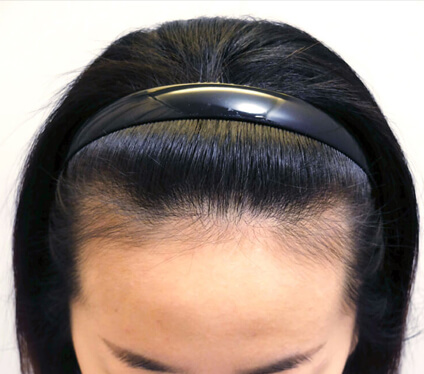
Female hair loss often presents as diffuse thinning or high foreheads. Planning focuses on hairline design and density enhancement.
Repair and Special Cases
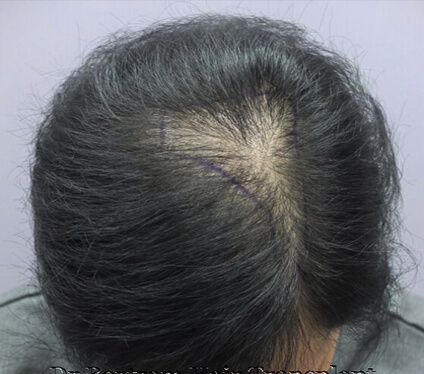
Corrective work addresses prior procedures, scarring, or scalp micropigmentation (SMP). These cases require individualized planning.
Special Considerations in Candidacy
The following conditions are suitable for FUE Hair Transplant when conditions applied.


Key Factors in Candidacy Assessment
- Gender matters: Male and female pattern hair loss differ in presentation, progression, and treatment approach. Women may also have additional considerations such as hormonal influences.
- Age influences planning: Younger patients often require more conservative long-term planning to preserve donor supply for future hair loss – a finite resource that must be managed carefully.
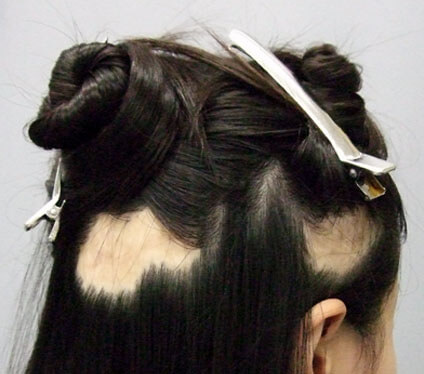
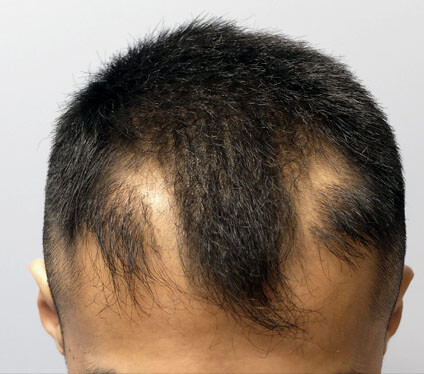
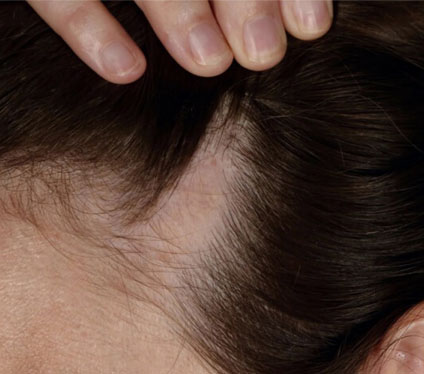
- Different causes, different approaches: Androgenetic alopecia (pattern hair loss), traction alopecia (from tight hairstyles), and scarring alopecia (from inflammation or injury) each require distinct management strategies – and not all are suitable for surgery.
- Medical history and medications: Underlying health conditions, medications, and lifestyle factors can affect surgical candidacy and healing.
A thorough clinical evaluation helps identify the underlying cause of your hair loss and determines the most appropriate treatment pathway – whether that is medical therapy, surgical intervention, or a combination of both.
📋 Clinical note: A consultation with a registered medical practitioner is essential for accurate diagnosis and personalized treatment planning. Self-assessment is a starting point – but clinical evaluation is definitive.