
Scalp Psoriasis and Seborrheic Dermatitis
Understanding inflammatory scalp conditions and their impact on hair health.
What Are Scalp Psoriasis and Seborrheic Dermatitis?
What is Dandruff?
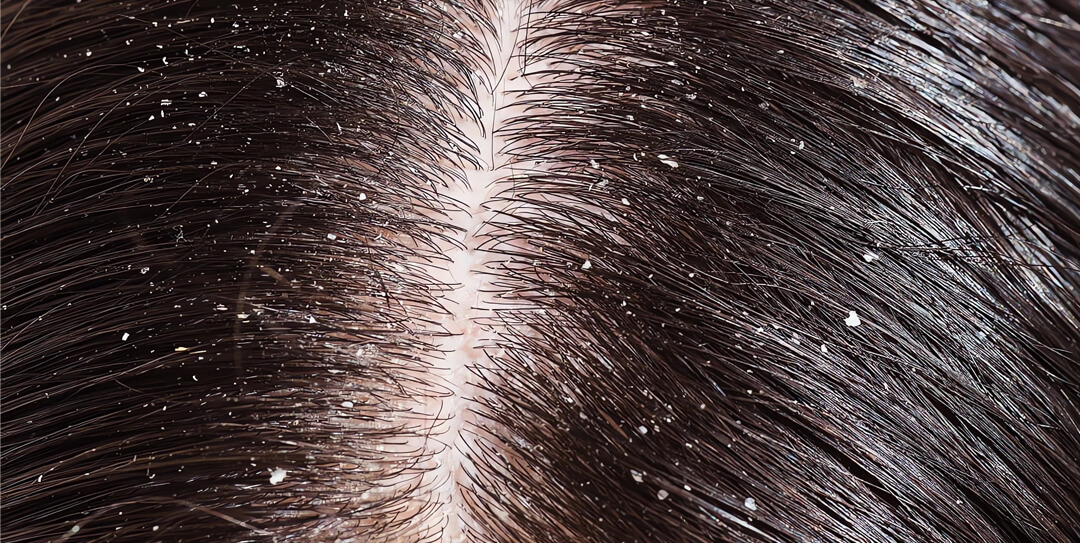
Dandruff is a common, mild form of seborrheic dermatitis characterized by visible flakes of dead skin on the scalp. It is caused by the overgrowth of Malassezia yeast, which breaks down sebum into inflammatory fatty acids that irritate the scalp and accelerate skin cell turnover. The result is clumps of dead skin cells that appear as white or yellowish flakes.
Scalp Psoriasis
Scalp psoriasis is a chronic autoimmune condition that accelerates the life cycle of skin cells, causing them to build up rapidly on the scalp surface. This results in well-demarcated, silvery-scaled plaques with underlying redness. It is not caused by a fungus – it is an immune-mediated condition that can affect any part of the body, including the scalp.
Seborrheic Dermatitis
Seborrheic dermatitis is a chronic inflammatory skin condition that affects areas rich in sebaceous (oil) glands, including the scalp, face, and chest. It presents with greasy, yellowish scales on an erythematous (red) background. When confined to the scalp, it is commonly referred to as dandruff.
Key Differences Between Scalp Psoriasis and Seborrheic Dermatitis
| Feature | Scalp Psoriasis | Seborrheic Dermatitis |
|---|---|---|
| Scale appearance | Silver-white, dry, thick plaques | Greasy, yellowish, oily scales |
| Underlying redness | Well-demarcated, clearly defined | Diffuse, less distinct |
| Primary cause | Autoimmune / immune-mediated | Malassezia yeast overgrowth + sebum |
| Fungal involvement | Incidental – not a primary cause | Central – Malassezia is the key driver |
| Distribution | Often extends beyond hairline | Confined to hair-bearing, oily areas |
| Associated features | Nail pitting, joint pain (psoriatic arthritis) | Facial redness, ear involvement |
| Response to antifungals | Poor – not the primary driver | Excellent – first-line treatment |
| Response to tar preparations | Good – reduces scaling and inflammation | Moderate – less effective than antifungals |
The Role of Fungus in Scalp Conditions
Understanding Malassezia
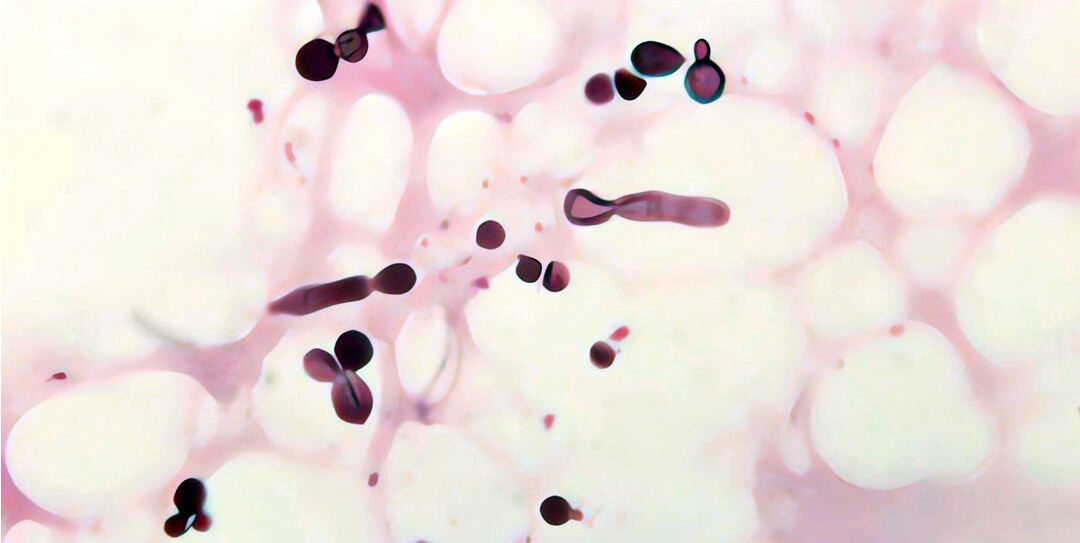
Malassezia is a genus of lipophilic (oil-loving) yeast that is a normal component of human scalp flora. It feeds on sebum – the natural oil produced by sebaceous glands. While harmless in most people, it can trigger an inflammatory response in susceptible individuals.
Malassezia and Scalp Inflammation
- Lipase activity: Malassezia produces lipases that break down sebum triglycerides into inflammatory free fatty acids.
- Immune activation: In susceptible individuals, the immune system recognizes Malassezia antigens, triggering an inflammatory response.
- Increased turnover: Chronic inflammation accelerates skin cell turnover, leading to the visible scaling and flaking characteristic of dandruff and seborrheic dermatitis.
- Follicular inflammation: In severe cases, inflammation can extend to the hair follicle, potentially contributing to follicular miniaturization.
Indirect Effects on Hair Growth
- Shortened growth phase: Chronic inflammation may shorten the anagen (growth) phase of the hair cycle.
- Physical obstruction: Scaling and crusting can physically obstruct hair emergence from the follicle.
- Mechanical damage: Itching leads to scratching, causing mechanical trauma to hair shafts.
- Inflammatory milieu: Sustained inflammation may increase sensitivity to androgens in genetically predisposed individuals.
How Fungus Relates to Each Condition
- Seborrheic Dermatitis / Dandruff: Malassezia is the primary driver. The yeast overgrows due to excess sebum production, and the inflammatory response to its by-products causes the characteristic redness, itching, and scaling. Antifungal treatments directly target this mechanism.
- Scalp Psoriasis: Malassezia plays no direct role in causation. Psoriasis is an autoimmune condition triggered by genetic and environmental factors. However, Malassezia may act as a secondary irritant in some patients, worsening existing lesions.
Response to Medications
Ketoconazole for Dandruff and Seborrheic Dermatitis
Ketoconazole is an antifungal agent that is highly effective against Malassezia. It is available in 1% (over-the-counter) and 2% (prescription) shampoo formulations.
- Mechanism: Inhibits fungal cell membrane synthesis, reducing Malassezia populations on the scalp.
- Response: Most patients see improvement within 2-4 weeks of regular use.
- Maintenance: Once controlled, weekly use is often sufficient to prevent recurrence.
- Additional benefits: Ketoconazole also has mild anti-inflammatory and anti-androgenic properties, which may provide adjunctive benefit in androgenetic alopecia.
For seborrheic dermatitis and dandruff, ketoconazole is considered first-line therapy.
Tar Preparations for Scalp Psoriasis
Coal tar is one of the oldest and most effective treatments for psoriasis. It works by reducing inflammation and slowing the rapid growth of skin cells.
- Mechanism: Reduces DNA synthesis and cell proliferation in psoriatic plaques.
- Response: Tar preparations are particularly effective for scalp psoriasis, especially when combined with other treatments.
- For seborrheic dermatitis: Tar is less effective because it does not target the fungal component – antifungals are superior for this condition.
Summary of Treatment Response
| Treatment | Scalp Psoriasis | Seborrheic Dermatitis / Dandruff |
|---|---|---|
| Ketoconazole (antifungal) | ⬛ Poor – not the primary driver | ✅ Excellent – first-line treatment |
| Coal Tar | ✅ Good – reduces scaling and inflammation | ⬛ Moderate – less effective than antifungals |
| Topical Corticosteroids | ✅ Excellent – for rapid flare control | ✅ Good – for inflammation control |
| Salicylic Acid | ✅ Good – removes thick scales | ⬛ Limited – better for psoriasis |
How to Use Anti-Dandruff Shampoos
For Individuals Without Dandruff
- Not generally recommended for normal, healthy scalps without specific indication.
- Potential for excessive drying or irritation with unnecessary use.
- No evidence supporting preventive use in the absence of risk factors.
- May disrupt normal scalp microbiome if used inappropriately.
For Active Inflammation / Dandruff
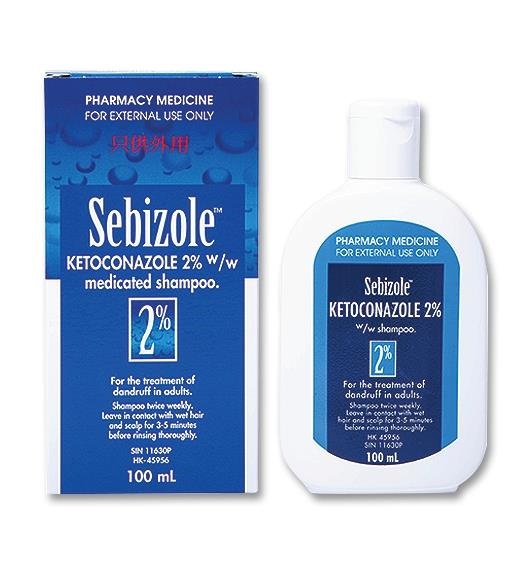
- Use 2% ketoconazole shampoo 2-3 times weekly during active phases.
- Leave on scalp for 3-5 minutes before rinsing – this is critical for efficacy.
- Combine with other active ingredients (zinc pyrithione, selenium sulfide) for resistant cases.
- Transition to maintenance regimen once controlled.
For Preventive Maintenance
- Consider 1% ketoconazole shampoo weekly for those with a history of seborrheic dermatitis.
- May benefit individuals with oily scalp or early pattern hair loss.
- Particularly relevant in humid climates like Hong Kong.
- Rotate with other gentle shampoos to prevent resistance and dryness.
Considerations for Hair Transplant Surgery
1. Scalp Psoriasis
Scalp psoriasis is an immune-mediated condition that requires careful pre-operative planning and post-operative monitoring. The risk of Koebner phenomenon – where trauma to the skin induces new psoriatic lesions – is a particular concern in surgical patients.
Pre-operative Requirements
- Disease Control: Psoriasis must be well-controlled before surgery. This means minimal to no active plaques, scaling, or inflammation.
- Stable Phase: Minimum 4-6 weeks of controlled disease before surgery.
- Koebner Phenomenon Risk: Surgical trauma may trigger new psoriatic lesions at the surgical site or donor area. This risk is higher in patients with active or poorly controlled disease.
- Medication Review: Systemic immunosuppressants or biologics may need to be adjusted peri-operatively. This should be discussed with the prescribing physician.
- Infection Risk: Active inflammation increases potential for postoperative complications, including infection and delayed wound healing.
Optimal Timing for Surgery
- Schedule during known periods of disease quiescence (remission).
- Consider seasonal variations in disease activity – some patients flare in winter or during periods of high stress.
- Ensure adequate pre-operative treatment course completion.
- Maintain medical therapy through the surgical period when appropriate. Do not discontinue prescribed treatments without consulting your doctor.
Post-operative Considerations
- Monitor for Koebner response: Watch for new psoriatic lesions at the surgical site or donor area in the weeks following surgery.
- Continue maintenance therapy: Do not discontinue prescribed treatments unless advised by your doctor.
- Gentle wound care: Avoid aggressive scrubbing or irritation of the surgical site.
- Prompt management: If new lesions appear, seek early dermatological intervention to prevent spread.
⚠️ Important: Patients with scalp psoriasis should have a dermatology clearance before proceeding with hair transplant surgery. This ensures that the disease is optimally controlled and that the risk of Koebner phenomenon is minimized.
2. Seborrheic Dermatitis
Seborrheic dermatitis is an inflammatory condition driven by Malassezia yeast overgrowth and sebum production. Unlike psoriasis, the primary concern is not autoimmune flare but rather fungal overgrowth, inflammation, and infection risk during the peri-operative period.
Pre-operative Requirements
- Disease Control: Seborrheic dermatitis must be well-controlled before surgery – minimal to no redness, scaling, or itching.
- Stable Phase: Minimum 4-6 weeks of controlled inflammation before surgery.
- Fungal load reduction: Active fungal overgrowth increases the risk of surgical site infection and may impair wound healing.
- Infection Risk: Active inflammation increases potential for postoperative complications, including bacterial or fungal superinfection.
Ketoconazole Protocol: Pre-operative Use
For patients who have not been using ketoconazole regularly before surgery, the following protocol is recommended:
- Start 4-6 weeks before surgery: Begin using 2% ketoconazole shampoo at least 4-6 weeks before the scheduled procedure.
- Dosage: Use 2-3 times weekly during this pre-operative period.
- Application: Leave on the scalp for 3-5 minutes before rinsing.
- Confirm control: By the time of surgery, the scalp should show minimal to no inflammation, redness, or scaling.
- Alternative for rapid control: If there is insufficient time for a 4-week course, additional topical or oral treatments may be considered under medical supervision.
Ketoconazole Protocol: Post-operative Use
After surgery, the timing of resuming ketoconazole depends on the healing stage:
- First 7-10 days: Do not use medicated shampoos, including ketoconazole, until the surgical wounds have fully epithelialized (healed) and sutures are removed.
- Day 10-14: If healing is progressing well, gentle use of ketoconazole may resume – but only with the surgeon's approval.
- Week 2-4: Resume regular use once all scabs have fallen off and the skin appears intact.
- Maintenance: Continue 1-2 times weekly for long-term control, or as recommended by your dermatologist.
Optimal Timing for Surgery
- Schedule during periods of low disease activity – typically when inflammation and scaling are minimal.
- Consider seasonal variations – some patients flare in humid or hot weather.
- Ensure a minimum 4-6 week course of pre-operative ketoconazole to achieve disease control.
- Maintain maintenance therapy post-operatively once healing allows.
⚠️ Important: Patients with seborrheic dermatitis should ensure their condition is optimally controlled before surgery. The risk of post-operative infection is higher in patients with active inflammation or fungal overgrowth.
Quick Reference: Pre-operative Ketoconazole Protocol
| Condition | Start Ketoconazole Before Surgery | Resume After Surgery | Special Considerations |
|---|---|---|---|
| Seborrheic Dermatitis | 4-6 weeks before (2-3×/week) | Day 10-14 (with surgeon approval) | Essential for infection prevention |
| Scalp Psoriasis | Not indicated (no fungal cause) | Not applicable | Focus on psoriasis treatments instead |
Note: Always follow the specific instructions provided by your surgeon and dermatologist. Individual treatment plans may vary.
When to Seek Specialized Care
Individuals should consider dermatological evaluation when experiencing:
- Scalp symptoms resistant to over-the-counter treatments.
- Significant hair shedding associated with scalp inflammation.
- Condition affecting daily activities or quality of life.
- Planning hair transplantation with a history of scalp conditions.
- Uncertain diagnosis or overlapping symptoms.
Key Takeaways
- Scalp Psoriasis: Autoimmune condition with well-demarcated, silvery-scaled plaques. Not caused by fungus. Responds to tar, corticosteroids, and systemic therapy.
- Seborrheic Dermatitis / Dandruff: Inflammatory response to Malassezia yeast breaking down sebum. Presents with greasy, yellowish scales. Responds to antifungal therapy.
- Ketoconazole is the first-line treatment for dandruff and seborrheic dermatitis. Less effective for psoriasis.
- Coal tar is particularly effective for scalp psoriasis, but less effective for seborrheic dermatitis.
- Both conditions must be well-controlled before hair transplant surgery to minimize complications.